
Brisbane is known for its warm climate, long summers, and subtropical heat. While most people associate hot weather with staying hydrated, applying sunscreen, and avoiding heat exhaustion, far fewer realise that high temperatures and dehydration can significantly affect oral health. From dry mouth and tooth decay to gum disease and enamel erosion, the Brisbane heat can quietly impact your teeth and gums if precautions aren’t taken.
At Fortitude Valley Dentist, we regularly see seasonal changes reflected in our patients’ oral health. Understanding how hot weather influences your mouth — and how to protect it — is an important step in maintaining a healthy smile year-round.
This guide explores how Brisbane’s heat and dehydration affect your teeth, the risks to watch for, and practical steps you can take to safeguard your oral health during warmer months
Why Hot Weather Affects Oral Health
Your mouth relies heavily on saliva to maintain a healthy balance between bacteria, acids, and the natural protective mechanisms of the teeth and gums. Saliva is far more than just moisture — it is one of the body’s most important defences against oral disease.
Saliva plays a critical role in:
- Neutralising acids produced by bacteria after eating and drinking
- Washing away food particles and sugars that feed decay-causing bacteria
- Preventing dry mouth, which can otherwise lead to irritation and infection
- Protecting tooth enamel by supplying minerals that help strengthen it
- Supporting gum health and aiding tissue repair
When saliva flow is reduced, these protective functions are compromised, leaving the mouth far more vulnerable to dental problems.
The Link Between Heat, Dehydration, and Saliva Reduction
In hot weather, the body loses fluids more rapidly through sweating as it works to regulate temperature. If these fluids are not consistently replaced, dehydration can occur, even before you feel noticeably thirsty. One of the first areas affected by dehydration is the mouth.
As hydration levels drop:
- Saliva production decreases
- The mouth becomes dry and acidic
- Bacteria are able to multiply more easily
- Teeth and gums lose a key layer of protection
This reduction in saliva flow significantly increases the risk of tooth decay, enamel erosion, gum inflammation, and bad breath, particularly during prolonged periods of heat.
Dehydration and Dry Mouth (Xerostomia)
One of the earliest and most common oral signs of dehydration is dry mouth, clinically referred to as xerostomia. While dry mouth may initially feel like a minor inconvenience, it can have a significant and lasting impact on oral health if left unmanaged — particularly during Brisbane’s hot and humid weather.
Saliva is essential for maintaining a healthy oral environment. When the body becomes dehydrated, saliva production decreases, reducing the mouth’s natural ability to protect itself against bacteria, acids, and irritation.
What Happens When Saliva Levels Drop?
When saliva flow is reduced due to dehydration, several changes occur in the mouth that increase the risk of dental problems:
- Acids remain on the teeth for longer
Normally, saliva helps neutralise acids produced by bacteria after eating or drinking. With less saliva present, these acids stay in contact with the teeth for extended periods, increasing the risk of enamel damage. - Bacteria multiply more easily
A dry environment allows harmful oral bacteria to thrive. This imbalance can accelerate plaque formation and contribute to tooth decay and gum disease. - Enamel becomes more vulnerable to erosion
Saliva supplies minerals that help strengthen enamel and repair early damage. Reduced saliva flow weakens this protective process, making teeth more susceptible to erosion and sensitivity. - Gums are more prone to inflammation
Without sufficient saliva to cleanse the mouth, plaque and bacteria can accumulate along the gumline, increasing the likelihood of gingivitis and other gum-related issues.
Over time, ongoing dehydration and untreated dry mouth can significantly increase the risk of tooth decay, gum disease, persistent bad breath, and oral discomfort
Common Symptoms of Dry Mouth
Dry mouth can present in a variety of ways, and symptoms may worsen during hot weather or periods of physical activity. Common signs include:
- A sticky, dry, or rough feeling in the mouth
- Bad breath (halitosis) that persists despite brushing
- Difficulty swallowing or speaking, particularly when the mouth feels dry
- Cracked or dry lips
- Increased thirst, even after drinking fluids
- A sore, burning, or irritated sensation in the mouth or tongue
Some people may also notice changes in taste, difficulty wearing dentures comfortably, or an increased need to sip water throughout the day.
Why Dry Mouth Shouldn’t Be Ignored
Because dry mouth often develops gradually, many people dismiss it as temporary or insignificant. However, chronic xerostomia can lead to long-term oral health problems if the underlying cause — such as dehydration — is not addressed.
In Brisbane’s climate, where fluid loss can occur quickly and frequently, recognising and managing dry mouth early is essential for protecting your teeth and gums.
If dry mouth persists despite good hydration, or if it is accompanied by increased decay, sensitivity, or gum issues, a dental assessment is recommended to identify contributing factors and prevent further complications.
Increased Risk of Tooth Decay in Hot Weather
Tooth decay thrives in conditions where harmful bacteria can grow and acids remain in contact with the teeth for prolonged periods. Unfortunately, hot weather and dehydration create the ideal environment for this to occur, particularly during Brisbane’s long summer months.
When temperatures rise, changes in hydration, diet, and daily routines can significantly increase the risk of cavities — even in people who usually maintain good oral hygiene.
How Heat Contributes to Tooth Decay
Reduced Saliva Means Fewer Natural Defences
Saliva is one of the body’s most important defences against tooth decay. It helps neutralise acids, wash away food particles, and limit bacterial growth. In hot weather, dehydration reduces saliva production, allowing acids and bacteria to remain on the teeth for longer. This increases the likelihood of enamel breakdown and cavity formation.
Increased Consumption of Sugary and Acidic Drinks
During hot weather, many people reach for cold, refreshing beverages to cool down. While these drinks may offer temporary relief from the heat, they often contain high levels of sugar and acid — both of which contribute to tooth decay.
Common examples include:
- Sports drinks
- Iced coffees and sweetened iced teas
- Soft drinks and energy drinks
- Flavoured waters and fruit juices
These beverages feed decay-causing bacteria and lower the pH level in the mouth, accelerating enamel erosion and increasing cavity risk. When saliva flow is already reduced due to dehydration, the damaging effects of these drinks are amplified.
Frequent Snacking During Summer
Hot weather often changes eating habits. People tend to snack more frequently throughout the day rather than eating structured meals. Frequent snacking — especially on sugary or acidic foods — exposes the teeth to repeated acid attacks.
Each time you eat or drink something sugary or acidic, the enamel temporarily softens. Without sufficient saliva to neutralise acids between snacks, the teeth have less time to recover, increasing the risk of decay.
Why Summer Cavities Can Develop Quickly
The combination of reduced saliva, acidic beverages, and frequent snacking means teeth are exposed to harmful conditions more often and for longer periods. Over time, this can lead to:
- Rapid enamel breakdown
- Increased tooth sensitivity
- Cavities forming faster than expected
- Decay developing even in areas that are usually low-risk
These issues are often first noticed during routine dental check-ups after summer, when early-stage decay or enamel erosion becomes visible.
Preventing Heat-Related Tooth Decay
Understanding how hot weather contributes to tooth decay is the first step in prevention. Staying hydrated with water, limiting sugary and acidic drinks, and maintaining a consistent oral hygiene routine are essential during Brisbane’s warmer months.At Fortitude Valley Dentist, we often see seasonal increases in decay related to dehydration and dietary changes. With the right habits and preventive care, many heat-related dental issues can be avoided before they require more extensive treatment.
Enamel Erosion and Acidic Beverages
In Brisbane’s heat, many people turn to citrus drinks, energy drinks, kombucha, and fruit juices. These drinks are often acidic, even when they’re labelled as “healthy”.
Why Enamel Erosion Is a Problem
Enamel does not regenerate. Once it is worn away:
- Teeth become more sensitive
- The risk of cavities increases
- Teeth may appear yellow or translucent
- Restorative treatment may eventually be required
Dehydration worsens enamel erosion by reducing saliva’s buffering effect against acids.
Gum Health and Hot Weather
Gum tissue is highly sensitive to changes in hydration and immune response.
Effects of Dehydration on Gums
- Increased gum inflammation
- Higher risk of gingivitis
- Slower healing of gum tissue
- Greater susceptibility to infection
Patients with existing gum disease may notice worsening symptoms during hotter months, including bleeding, tenderness, and swelling.
Bad Breath and the Brisbane Heat
Bad breath is another common complaint during hot weather. Dehydration reduces saliva, which normally helps wash away odour-causing bacteria.
Contributing factors include:
- Dry mouth
- Increased bacterial growth
- Sugary and acidic drinks
- Alcohol consumption in hot weather
Persistent bad breath can be an early warning sign of dehydration-related oral health issues.
Heat, Dehydration, and Mouth Ulcers
Dehydration can increase the likelihood of mouth ulcers and oral irritation. Reduced saliva leaves soft tissues more vulnerable to friction and bacterial imbalance, particularly during periods of physical exertion or illness.
Children, Heat, and Oral Health
Children are particularly vulnerable to dehydration in hot weather. Increased outdoor activity combined with poor hydration habits can lead to:
- Higher risk of decay
- Increased consumption of sugary drinks
- Dry mouth and enamel erosion
Encouraging water consumption and limiting sugary beverages is essential for protecting children’s teeth during Brisbane’s warmer months.
Older Adults and Dehydration
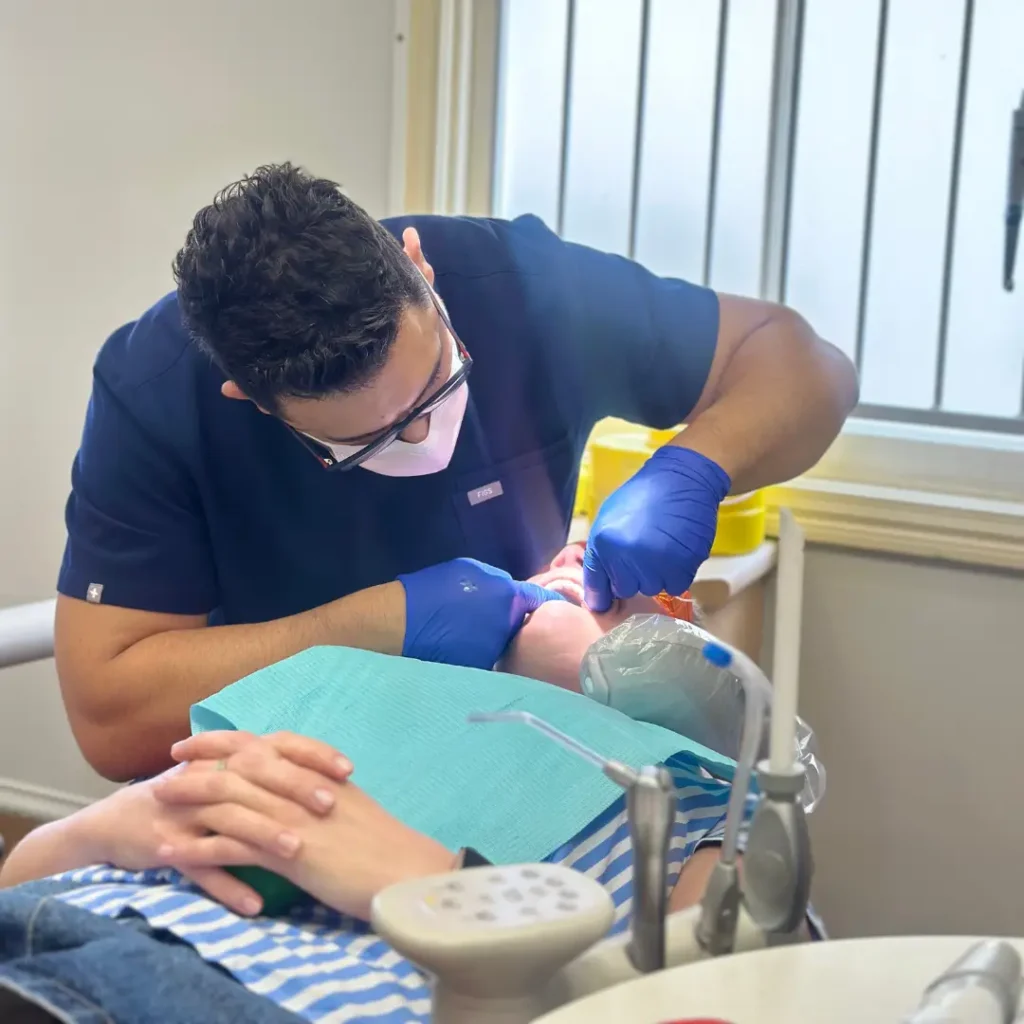
Older adults are also at increased risk of dehydration-related oral health issues due to:
- Reduced thirst sensation
- Certain medications that cause dry mouth
- Existing dental conditions
Dry mouth in older adults significantly increases the risk of decay, especially around existing fillings and crowns.
Hydration Tips for Protecting Your Teeth
Staying hydrated is one of the most effective ways to protect your oral health in hot weather.
Best Practices for Oral Hydration
- Drink water regularly throughout the day
- Carry a reusable water bottle
- Increase water intake during physical activity
- Choose water over sugary or acidic drinks
- Rinse your mouth with water after consuming acidic beverages
Fluoridated tap water is particularly beneficial, as it helps strengthen enamel while keeping the mouth moist.
Smart Beverage Choices in Hot Weather
Not all drinks hydrate equally. Some can actually worsen dehydration and damage teeth.
Drinks to Limit
- Soft drinks
- Sports and energy drinks
- Iced coffee with added sugar
- Fruit juices
- Alcohol
Better Alternatives
- Plain water
- Milk
- Herbal teas (unsweetened)
If you do consume acidic drinks, avoid brushing immediately afterwards — wait at least 30 minutes to protect softened enamel
Oral Hygiene Tips for Brisbane Summers
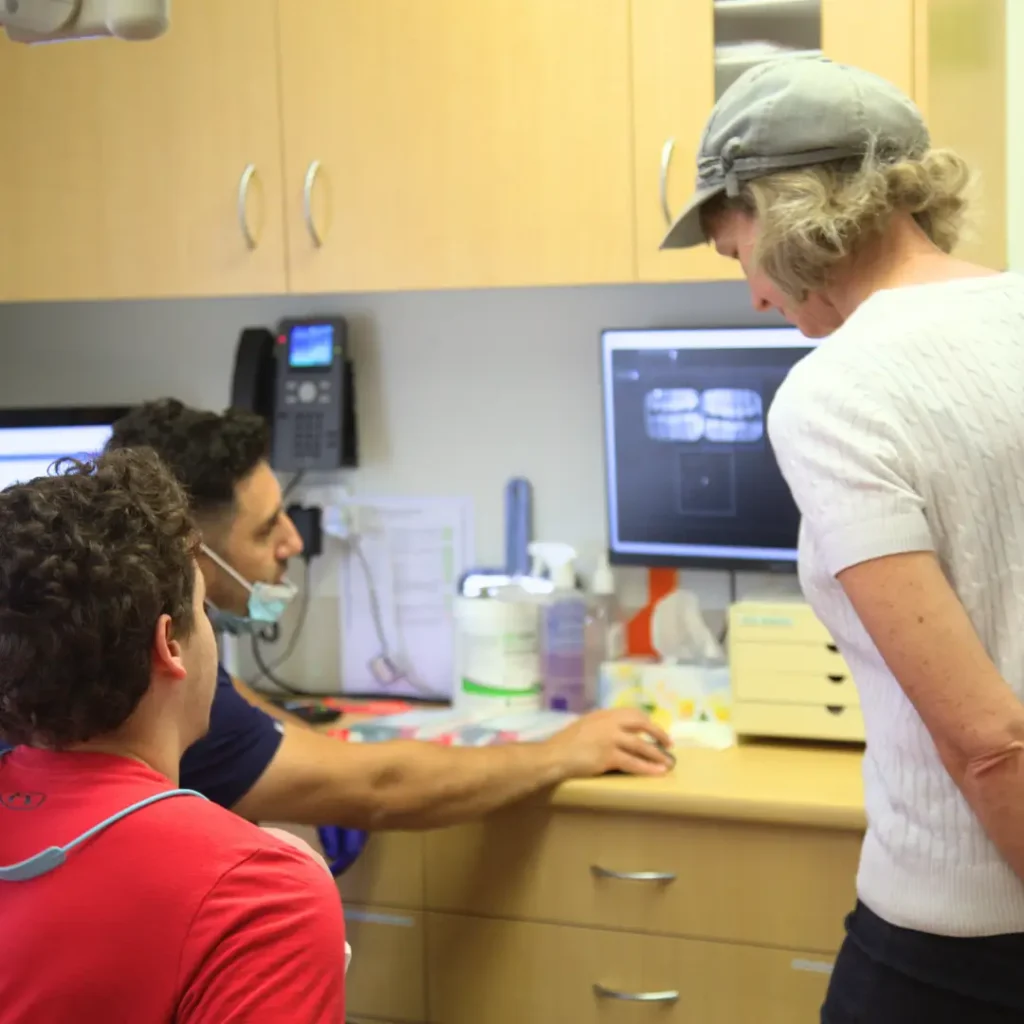
Maintaining a strong and consistent oral hygiene routine is especially important during Brisbane’s hot and humid summers. Increased sweating, higher risk of dehydration, and changes in diet can all affect the balance of bacteria in the mouth, making teeth and gums more vulnerable to decay, erosion, and inflammation.
By adjusting your oral care routine slightly during warmer months, you can significantly reduce the risk of heat-related dental problems and keep your smile healthy year-round.
Summer Oral Care Checklist
Brush Twice Daily with Fluoridated Toothpaste
Brushing your teeth twice a day remains the foundation of good oral health. Using a fluoridated toothpaste helps strengthen enamel, repair early signs of acid damage, and protect against cavities — particularly important when acidic drinks and snacks are more common in summer.
Take care not to brush immediately after consuming acidic foods or drinks. Waiting at least 30 minutes allows softened enamel to re-harden, reducing the risk of erosion.
Floss Daily to Remove Plaque Between Teeth
Flossing once a day removes plaque and food particles from areas your toothbrush can’t reach. In hot weather, when bacteria multiply more easily due to reduced saliva flow, flossing becomes even more important for preventing decay between teeth and along the gumline.
Use Alcohol-Free Mouthwash if Prone to Dry Mouth
Many mouthwashes contain alcohol, which can worsen dry mouth — a common issue during Brisbane’s warmer months. If you experience dry mouth, choose an alcohol-free mouthwash designed to hydrate the oral tissues and support saliva flow.
Some specialised mouth rinses also contain fluoride or ingredients that help relieve dry mouth symptoms.
Attend Regular Dental Check-Ups and Professional Cleans
Routine dental check-ups and professional cleans are essential for detecting early signs of enamel erosion, decay, and gum disease — particularly those related to dehydration and dietary changes.
Professional cleans remove plaque and tartar that can build up more quickly in low-saliva conditions, helping to keep gums healthy and breath fresh throughout summer.
Replace Your Toothbrush Every Three Months
Heat, humidity, and frequent use can cause toothbrush bristles to wear down more quickly. Replacing your toothbrush (or electric toothbrush head) every three months — or sooner if bristles appear frayed — ensures effective plaque removal and reduces bacterial build-up.
Managing Persistent Dry Mouth
Patients who experience ongoing dry mouth during summer should not ignore the symptoms. Persistent dry mouth increases the risk of cavities, gum disease, and oral discomfort.
If dry mouth continues despite good hydration, speak with your dentist about:
- Saliva substitutes or gels
- Dry mouth–specific toothpaste and mouthwash
- Reviewing medications that may contribute to reduced saliva flow
- Personalised strategies to protect enamel and gum health
At Fortitude Valley Dentist, we often help patients adjust their oral care routines to suit seasonal conditions, lifestyle factors, and individual risk levels.
Small Changes, Big Impact
Summer doesn’t have to come at the expense of your oral health. With a few mindful adjustments and a consistent hygiene routine, you can protect your teeth and gums even during Brisbane’s hottest months.
Athletes, Outdoor Workers, and Heat Exposure
People who work or exercise outdoors in Brisbane are at higher risk of dehydration-related oral health issues.
Common risks include:
- Frequent consumption of sports drinks
- Mouth breathing during exertion
- Prolonged dehydration
These individuals should be particularly vigilant about hydration and oral hygiene, and may benefit from more frequent dental check-ups.
When to See a Dentist
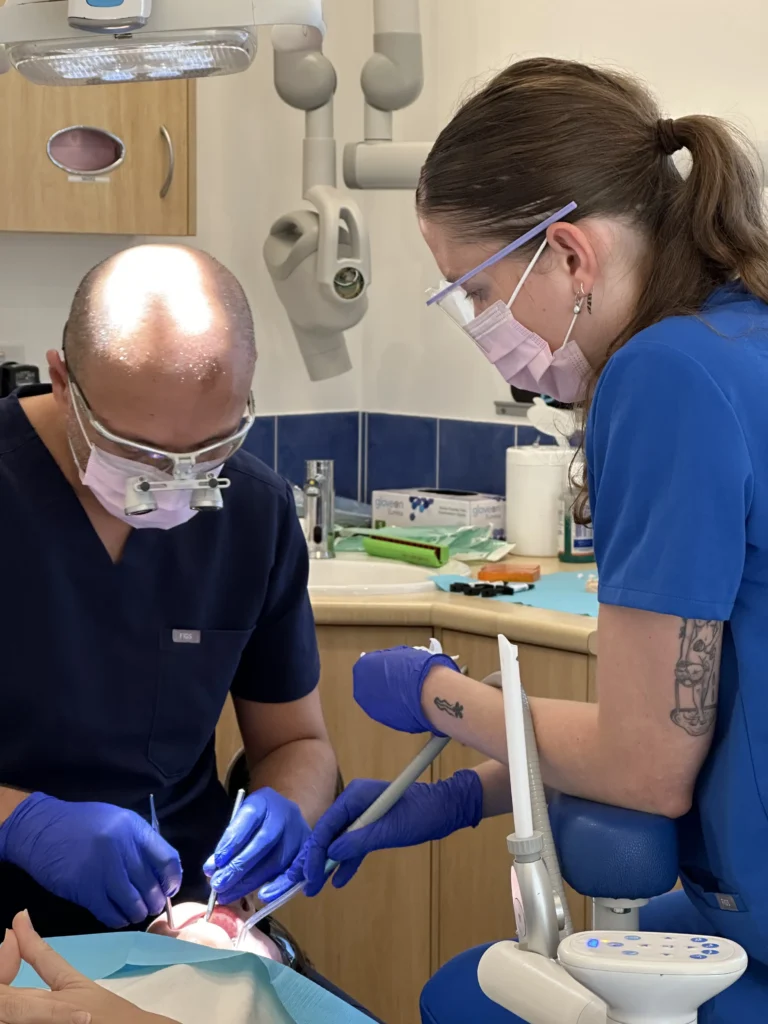
While mild changes in oral comfort can occur during hot weather, certain symptoms should not be ignored. Ongoing dehydration and reduced saliva flow can quietly contribute to dental problems that worsen over time if left untreated. Knowing when to see a dentist allows issues to be addressed early — often with simpler, more comfortable, and more affordable treatment.
You should book a dental appointment if you notice any of the following signs:
Persistent Dry Mouth
If your mouth feels consistently dry despite drinking fluids, it may indicate ongoing xerostomia rather than temporary dehydration. Chronic dry mouth increases the risk of tooth decay, gum disease, and oral infections and should be professionally assessed to identify underlying causes and appropriate management.
Increased Tooth Sensitivity
Sensitivity to hot, cold, or sweet foods can be a sign of enamel erosion, dehydration-related mineral loss, or early tooth decay. Sensitivity that persists or worsens over time should be evaluated to prevent further enamel damage and discomfort.
Frequent Cavities
Developing cavities more often than usual may indicate reduced saliva protection, dietary changes, or enamel weakening associated with dehydration and hot weather. A dentist can identify contributing factors and recommend preventive strategies to protect your teeth.
Bleeding or Swollen Gums
Gum inflammation, tenderness, or bleeding when brushing or flossing may signal gingivitis or early gum disease. Dehydration can exacerbate these conditions by reducing the mouth’s natural cleansing mechanisms, making early treatment especially important.
Ongoing Bad Breath
Persistent bad breath that does not improve with brushing, flossing, or mouthwash may be linked to dry mouth, bacterial imbalance, or underlying dental issues. Identifying the cause early can prevent more serious oral health problems from developing.
The Importance of Early Intervention
Early dental intervention plays a key role in preventing dehydration-related oral health issues from progressing into more serious conditions. Routine dental check-ups allow your dentist to:
- Detect early signs of enamel erosion or decay
- Identify gum disease before it advances
- Assess saliva flow and dry mouth symptoms
- Provide tailored advice based on seasonal risks
Addressing problems early not only protects your oral health but also reduces the likelihood of complex or costly treatment in the future.At Fortitude Valley Dentist, we encourage patients to seek professional advice as soon as symptoms arise — particularly during Brisbane’s warmer months, when dehydration-related dental issues are more common.
Professional Dental Care During Hot Weather
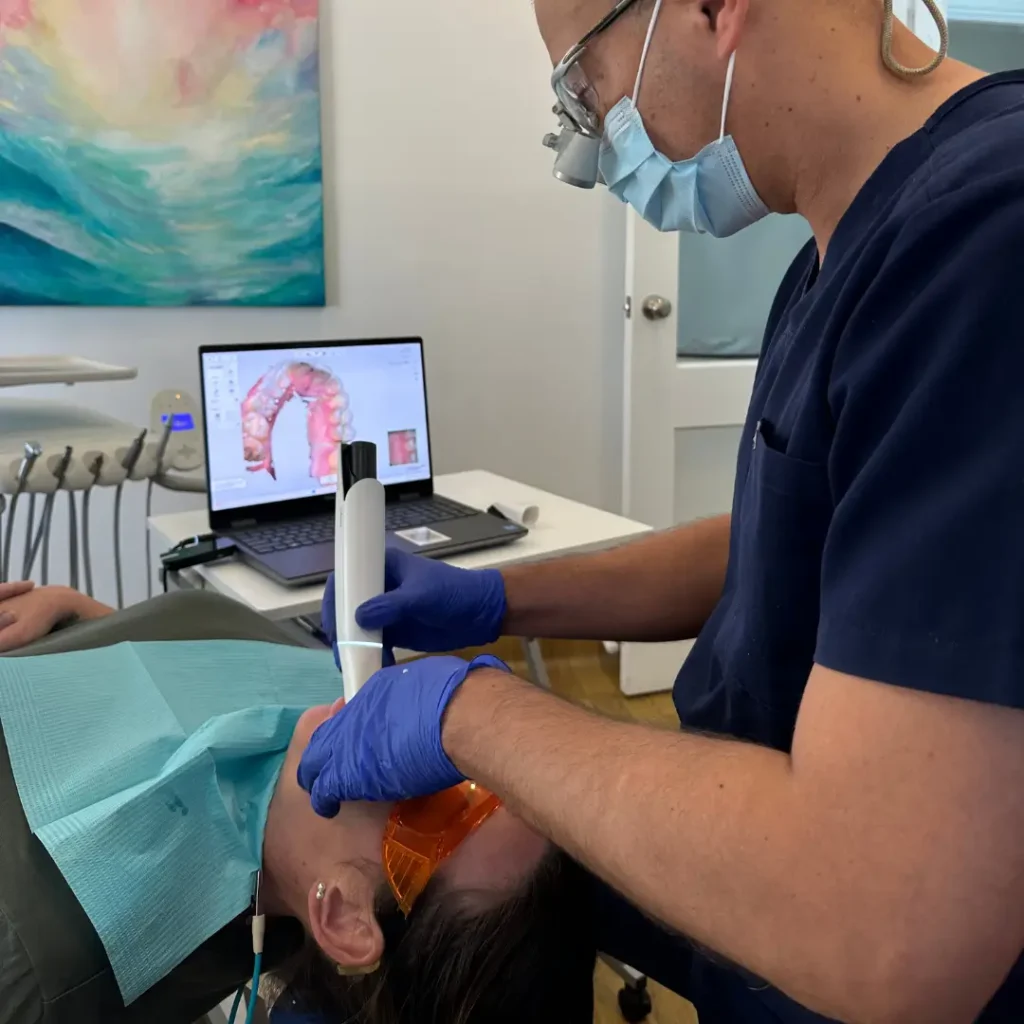
Regular dental check-ups help identify early signs of enamel erosion, gum disease, and dry mouth. A professional clean removes plaque and tartar that thrive in low-saliva environments, particularly during Brisbane’s hot seasons.At Fortitude Valley Dentist, we tailor preventive advice based on seasonal risks, lifestyle, and individual oral health needs.
Final Thoughts: Protecting Your Smile in the Brisbane Heat
Brisbane’s warm climate is part of what makes the city such a great place to live — but it also presents unique challenges for oral health. Dehydration, dry mouth, and increased consumption of acidic drinks can quietly damage teeth and gums if left unmanaged.
By staying hydrated, making smart dietary choices, and maintaining a consistent oral hygiene routine, you can protect your smile even during the hottest months of the year. Regular dental visits ensure potential issues are identified early, helping you avoid unnecessary discomfort and treatment.
A healthy smile doesn’t stop at brushing and flossing — it starts with understanding how your environment affects your oral health.
Book Your Dental Check-Up in Brisbane
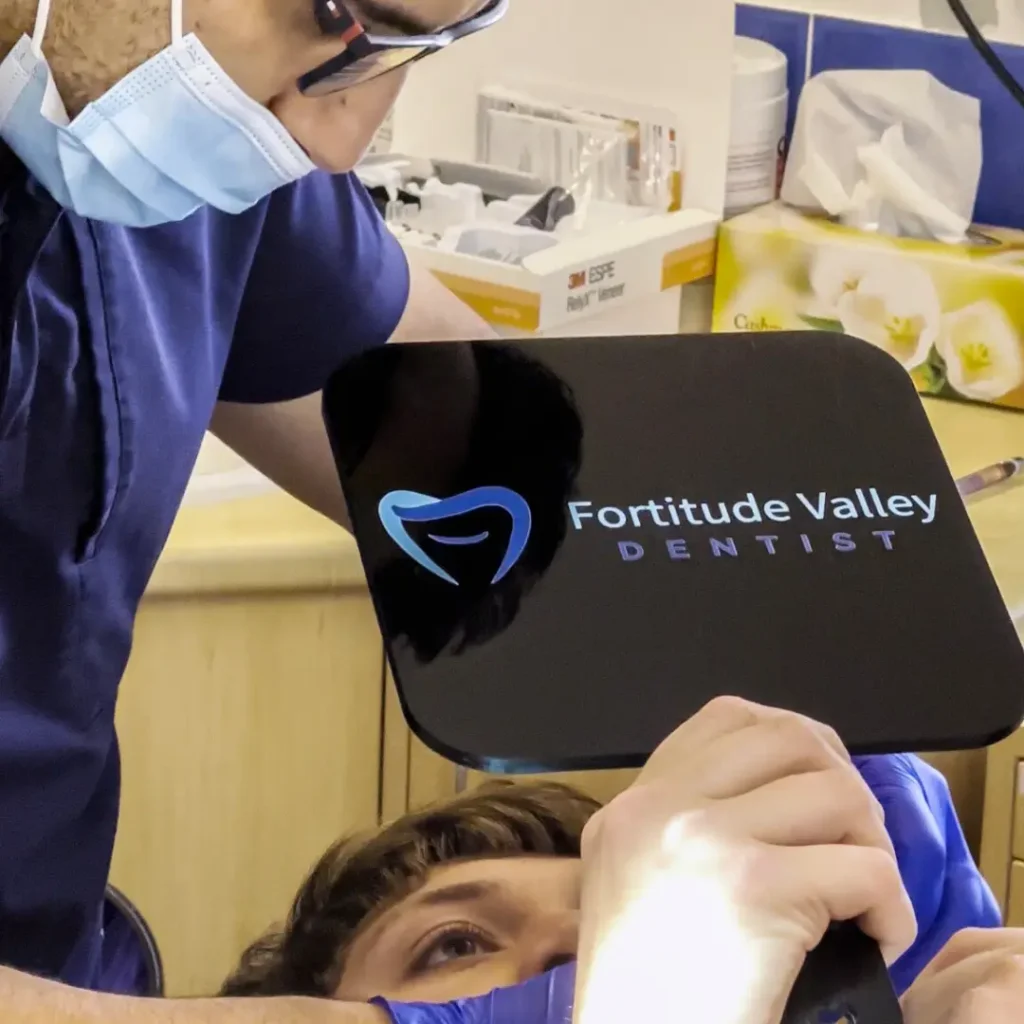
If you’re experiencing dry mouth, tooth sensitivity, frequent cavities, or other oral health concerns during Brisbane’s warmer months, the experienced team at Fortitude Valley Dentist is here to help. We provide comprehensive dental assessments and personalised preventive care to address heat- and dehydration-related oral health issues before they progress.
Regular check-ups and professional cleans play a vital role in protecting your teeth and gums, particularly in Brisbane’s subtropical climate. Our team will assess your oral health, identify early warning signs, and provide tailored advice to help keep your smile healthy year-round.
📍 Address: 117 Warry Street, Fortitude Valley QLD 4006
📞 Phone: (07) 3544 7777
📧 Email: info@fortitudevalleydentist.com.au
Your smile deserves year-round care — no matter the temperature. Book your dental check-up today and take a proactive step towards long-term oral health.
