
Home » Sleep Dentistry
Sleep Dentistry in Brisbane
If you struggle with dental anxiety, a sensitive gag reflex, or discomfort during treatment, sleep dentistry (sedation dentistry) offers a safe and comfortable way to receive the care you need without the stress. Fortitude Valley Dentist offers all major sedation options, from nitrous oxide (happy gas) and oral sedation to IV (twilight) sedation in the surgery and general anaesthesia in hospital. Most patients remember little or nothing of the procedure. Book online today.
Sedation enquiries
(07) 3544 7777


Sleep Dentist Brisbane
What is sleep dentistry?
Sleep dentistry, also known as sedation dentistry, is a modern approach designed to make dental care more relaxing, comfortable, and stress-free. It involves the use of carefully controlled sedative medications that help patients feel calm and at ease throughout their treatment. This technique is especially beneficial for individuals who experience dental anxiety, have a strong gag reflex, or require multiple or complex procedures in one visit.
Contrary to popular belief, sleep dentistry doesn’t always mean being fully “asleep.” Depending on your needs, the level of sedation can range from mild relaxation to deep sleep. This flexibility allows our team at Fortitude Valley Dentist to customize every treatment to your comfort level, ensuring a gentle, comfortable experience every time you visit.
At Fortitude Valley Dentist, we know some patients may become anxious when thinking about their upcoming procedure. Often, their anxiety is due to hearing frightening stories or less than ideal dental experiences in the past. This fear can be difficult to overcome, and years of avoiding dental appointments has only made the situation worse. While our staff makes every effort to ensure your visit is as comfortable as possible, it might not be enough to reassure you. If you suffer from dental anxiety or phobia, sleep dentistry may be the answer for your dental care.
Benefits of sleep dentistry
Experiencing a calm, comfortable dental visit helps many patients realise that dental care does not have to be frightening. Over time, this positive reinforcement can make future dental visits, including routine check-ups and preventive care, feel far more manageable.

Reduce anxiety.
Sleep dentistry helps calm nerves and reduce anxiety while the dentist performs the necessary procedures.

Relaxed, comfortable treatments.
Your nerves will calm and you will not be fully awake during your procedures.

Get multiple treatments done.
With sedation dentistry techniques, our dental staff is able to perform all needed dental work and procedures during one appointment.
Sleep therapy options
Sedation dentistry is not one-size-fits-all. Different levels of sedation are available, tailored to your comfort level, medical history, and the complexity of your procedure. Your dentist will recommend the safest and most suitable option for your needs. Fortitude Valley Dentist offers all major sedation options, ensuring every patient receives the right level of relaxation, whether for simple procedures or wisdom teeth removal under sedation.
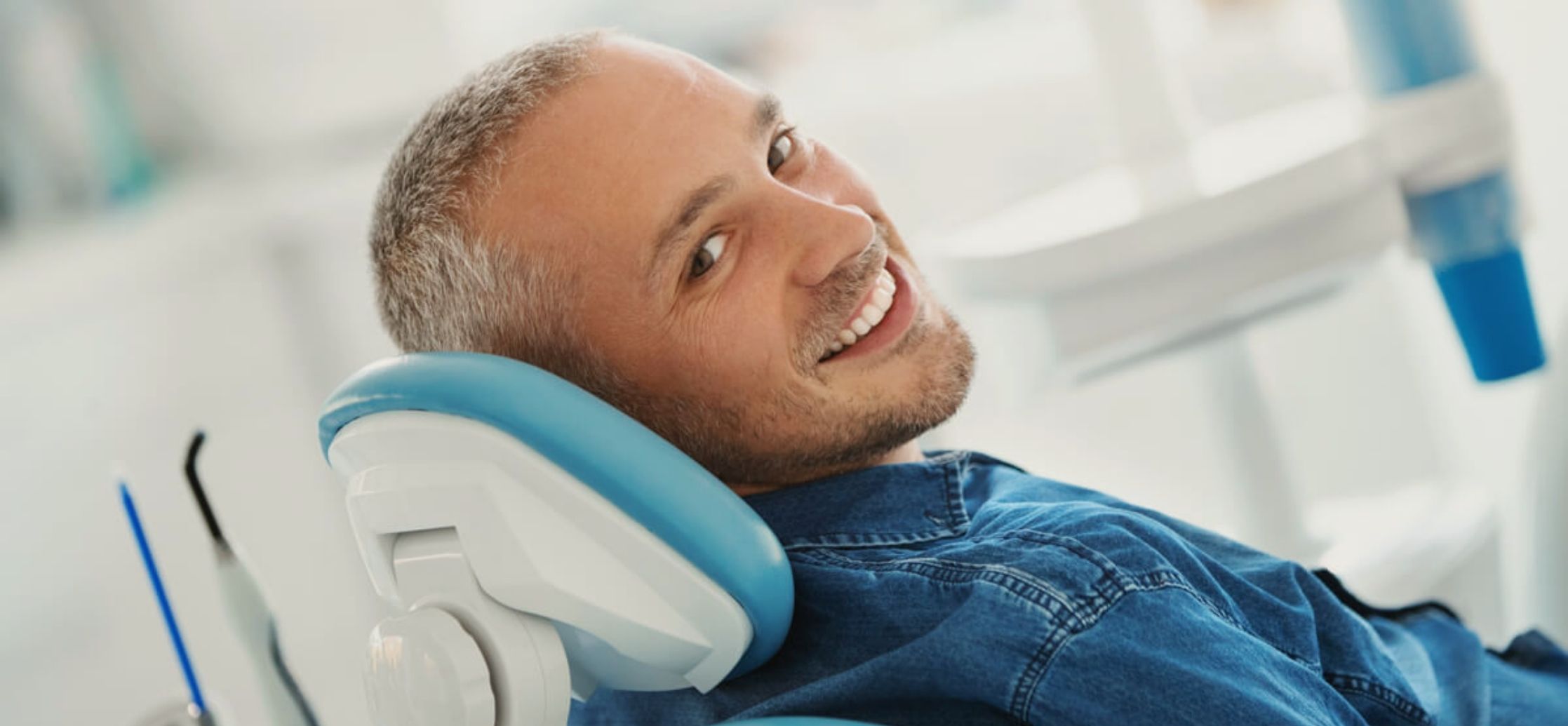
Nitrous oxide (happy gas)
How it works: You inhale a gentle, sweet-smelling gas through a small mask placed over your nose. How you feel: Relaxed, calm, slightly euphoric, with reduced anxiety. Effects wear off quickly once the mask is removed. Best for: Routine cleanings, simple fillings, mild fear, or a sensitive gag reflex. You can usually drive yourself home afterward.
Oral sedation (sedative tablet)
How it works: You take a prescribed tablet about an hour before your appointment. How you feel: Deeply relaxed, drowsy, and possibly lightly asleep. You stay conscious but may remember little or nothing afterward. Best for: Moderate anxiety or slightly longer procedures. A support person must bring you to and from your appointment.

IV sedation (twilight sedation)
Our IV Sedation is performed safely in-clinic and is ideal for patients with dental anxiety or those needing a more comfortable, stress-free experience. Medication is administered directly through the vein, creating a deep sense of relaxation, often referred to as twilight sedation. While you remain conscious and able to follow simple instructions, you’ll feel calm, detached from the procedure, and unlikely to remember the treatment afterward. This form of sedation dentistry offers a smoother, quicker recovery, allowing you to head home with a responsible adult once your appointment is complete. IV sedation is a trusted option for comfortable, anxiety-free dental treatment at our Fortitude Valley dental clinic.
One of the key benefits of IV sedation is the amnesic effect. Patients rarely remember the sights, sounds, or sensations associated with their treatment. This makes it ideal for individuals with dental phobia or those who have avoided the dentist for years due to fear.
General anaesthesia (general sedation dentistry)
For patients with extreme dental phobia, or when multiple dental treatments need to be completed in a single visit, general anaesthesia is the most effective sedation option. Under general anaesthesia, the patient is fully unconscious, allowing our dental team to complete all necessary procedures safely and efficiently without stress or discomfort. This level of sleep dentistry is ideal for longer appointments, typically two hours or more, and provides a comfortable experience for those who cannot tolerate dental treatment while awake. Once your dental procedures are completed, you will be guided through standard hospital recovery protocols before being cleared to go home. General anaesthesia offers a secure and controlled solution for patients seeking a truly anxiety-free dental experience at our Fortitude Valley dental clinic.
This form of sleep dentistry in Brisbane is performed in a hospital environment by a qualified anaesthetist, ensuring the highest level of safety and care. Under general anaesthesia, you’ll be in a state of complete unconsciousness. This means you won’t see, hear, or feel anything during the procedure, and you’ll have no memory of it afterward.
Comparing your sedation options
| Feature | Nitrous oxide (happy gas) | Oral sedation | IV sedation (twilight) | General anaesthesia |
|---|---|---|---|---|
| Where | In the surgery | In the surgery | In the surgery | Hospital, with a specialist anaesthetist |
| Awareness | Relaxed, calm, awake | Drowsy, possibly lightly asleep, conscious | Conscious but deeply relaxed; can respond to instructions | Fully unconscious |
| Memory of the procedure | Normal | Little or none | Little or none | None |
| Best for | Routine cleans, simple fillings, mild fear, sensitive gag reflex | Moderate anxiety, slightly longer procedures | Moderate to severe anxiety, longer procedures, gag reflex | Extreme phobia, two hours or more of treatment, several procedures in one visit |
| Getting home | Usually able to drive | A support person must bring you and take you home | Home the same day with a responsible adult | Hospital recovery, then home with a companion; full recovery may take a day or more |
| Minimum age | Ask us | Ask us | 12 years | Used for children under 12 who need sedation |
Nitrous oxide (happy gas)
- Where
- In the surgery
- Awareness
- Relaxed, calm, awake
- Memory of the procedure
- Normal
- Best for
- Routine cleans, simple fillings, mild fear, sensitive gag reflex
- Getting home
- Usually able to drive
- Minimum age
- Ask us
Oral sedation
- Where
- In the surgery
- Awareness
- Drowsy, possibly lightly asleep, conscious
- Memory of the procedure
- Little or none
- Best for
- Moderate anxiety, slightly longer procedures
- Getting home
- A support person must bring you and take you home
- Minimum age
- Ask us
IV sedation (twilight)
- Where
- In the surgery
- Awareness
- Conscious but deeply relaxed; can respond to instructions
- Memory of the procedure
- Little or none
- Best for
- Moderate to severe anxiety, longer procedures, gag reflex
- Getting home
- Home the same day with a responsible adult
- Minimum age
- 12 years
General anaesthesia
- Where
- Hospital, with a specialist anaesthetist
- Awareness
- Fully unconscious
- Memory of the procedure
- None
- Best for
- Extreme phobia, two hours or more of treatment, several procedures in one visit
- Getting home
- Hospital recovery, then home with a companion; full recovery may take a day or more
- Minimum age
- Used for children under 12 who need sedation
Your dentist will recommend the safest and most suitable option after reviewing your medical history, anxiety level and treatment needs.
Is sleep dentistry right for you?
Sedation dentistry is designed to help a wide range of patients receive dental care comfortably and without distress. While it is commonly associated with severe dental anxiety, sedation dentistry can benefit many individuals whose physical or emotional responses make routine dental treatment challenging.
- Patients with moderate to severe dental anxiety or phobia
- Patients with past traumatic dental experiences
- Patients with a strong gag reflex
- Patients requiring multiple or complex procedures
- Patients who struggle to sit still for long periods
- Patients with sensitive teeth or low pain tolerance
While sedation dentistry is suitable for many patients, it is not automatically recommended for everyone. Before proceeding, dentists conduct a comprehensive consultation to ensure sedation is safe and appropriate. This assessment typically includes: review of medical history and current health conditions; evaluation of medications and potential interactions; discussion of previous experiences with sedation or anaesthesia; assessment of anxiety levels and treatment needs.
Who qualifies for this service? Most patients usually qualify, unless there is a complex medical history.
BIGGER. BRIGHTER. BETTER
Unlock your smile potential
Treatments we perform under sedation
When a patient has severe dental phobia, any procedure can seem terrifying. The most common treatments sleep dentistry is requested for are root canals, extractions, implants, wisdom tooth removal, and cosmetic procedures. Sedation dentistry is also a good option for people with a hypersensitive gag reflex, which makes it difficult to perform some procedures.
- Wisdom Teeth Removal – Wisdom teeth removal with sleep dentistry ensures a calm and efficient experience. You’ll be sedated, relaxed, and unaware while your dentist performs the extraction safely.
- Dental Implants – Restoring your smile shouldn’t be stressful. Dental implant sleep dentistry allows for a smooth, comfortable procedure, giving you confidence from start to finish.
- Root Canal Treatments – A root canal under sleep dentistry removes infection and saves your natural tooth without the stress or discomfort often associated with this procedure.
- Fillings and Restorations – Many patients feel anxious about drills or injections. With sleep dentistry for fillings, you can stay relaxed and comfortable while your dentist restores your teeth quickly and gently.
- Cosmetic Dentistry – If you’ve dreamed of improving your smile but avoided treatment due to anxiety, cosmetic dentistry with sedation helps you achieve beautiful results comfortably.
- Emergency Dental Procedures – In urgent situations, emergency sleep dentistry allows our dentists to manage pain quickly and effectively, so you can receive treatment without added stress.
In some cases, the condition of the patient’s teeth requires multiple procedures, which would typically require several appointments. With sedation dentistry techniques, our dental staff is able to perform all needed dental work during one appointment, reducing the patient’s stress.
What to expect before, during and after sleep dentistry
Before treatment
Your journey begins with a comprehensive consultation where your dentist will:
- Review your medical history and discuss any medications or conditions.
- Listen carefully to your concerns, fears, and treatment goals.
- Explain the different sedation options (such as IV sedation or general anaesthesia) and help you choose what best suits your needs and comfort level.
You’ll also receive personalised pre-procedure instructions, which may include:
- Fasting requirements (if undergoing IV sedation or general anaesthesia).
- Guidance on what medications to take or avoid before your appointment.
- Reminders to arrange a responsible adult to accompany you home afterward.
During treatment
Once your chosen sedation begins, you’ll quickly start to feel calm, relaxed, and free from anxiety. For patients under IV sedation, you remain conscious but deeply relaxed, often unaware of your surroundings or the passage of time. Under general anaesthesia, you’ll be fully asleep throughout the procedure.
Throughout your entire treatment:
- The Fortitude Valley Dentist closely monitors your vital signs, including heart rate, oxygen levels, and blood pressure.
- Most patients describe the experience as if it were over in just a few minutes.
- The procedure is carried out efficiently and safely while ensuring your comfort remains the top priority.
After treatment
Once your dental procedure is complete, you’ll be taken to a comfortable recovery area.
- Patients who undergo IV sedation typically awaken feeling relaxed and may feel drowsy for a short while. You can usually go home the same day with a trusted companion once fully alert.
- For those who have general anaesthesia, a short recovery period in a hospital setting may be required to ensure your full stability before discharge.
After you’re cleared to go home, our team will provide:
- Detailed aftercare instructions, including guidance on eating, resting, and oral hygiene.
- Pain management advice for after your procedure.
- A follow-up appointment to ensure proper healing and check results.
Preparing for your sleep dentistry appointment
- Arrange Transport Home. Because sedation affects your coordination and alertness, it’s essential to organise a responsible adult, friend, or family member to take you home after your procedure. This ensures your safety and allows you to rest comfortably as the effects of sedation wear off.
- Follow Pre-Procedure Instructions. For IV sedation or general anaesthesia, you may be asked to avoid eating or drinking for several hours before your appointment. These fasting guidelines are designed to ensure your comfort and safety during the procedure. Our dental team will provide you with personalised instructions ahead of time.
- Inform Your Dentist About Medications and Health Conditions. Before your treatment, please let us know about any medications, allergies, or medical conditions you have. This information helps our sedation dentist in Fortitude Valley tailor your care and choose the safest, most effective sedation method for you.
- Dress Comfortably and Arrive Early. We recommend wearing loose, comfortable clothing and arriving a little early so you have time to relax before your appointment.
Recovery after sleep dentistry
Recovery after IV sedation
IV sedation, often referred to as twilight sedation, allows for a relatively quick recovery compared to general anaesthesia. After IV sedation, patients commonly experience: drowsiness or grogginess for several hours; reduced coordination and slower reaction times; mild confusion or forgetfulness; little to no memory of the dental procedure. Patients are typically able to return home on the same day; however, a responsible adult must accompany them. It is important to rest for the remainder of the day and avoid physically or mentally demanding activities.
Recovery after general anaesthesia
Recovery following general anaesthesia takes longer and occurs in a hospital setting under medical supervision. Common post-anaesthesia effects may include: prolonged drowsiness or fatigue; nausea or dizziness; temporary disorientation; sore throat or dry mouth. Patients are only discharged once recovery protocols are met and must be accompanied home by a responsible adult. Full recovery may take a day or more, depending on the individual and the length of the procedure.
Post-treatment guidelines
- Rest quietly for the remainder of the day
- Avoid driving, operating machinery, or making important decisions for at least 24 hours
- Follow all post-treatment and medication instructions provided by the dental team
- Eat light meals and stay hydrated, unless otherwise advised
- Contact the clinic if unexpected symptoms or concerns arise
Is sleep dentistry safe? Who can provide it?
Sedation dentistry in Australia is strictly regulated to ensure patient safety. Dentists must meet specific training and endorsement requirements before offering sedation services. Safety protocols include: detailed medical assessments; monitoring of vital signs during treatment; emergency preparedness; post-treatment recovery supervision.
Can any dentist perform sedation dentistry? No, practitioners must meet required qualifications, and only dentists and dental specialists, who have been endorsed for conscious sedation, may use this technique in their practice.
During your treatment, continuous monitoring of vital signs (including heart rate, oxygen levels, and blood pressure) ensures that every moment of your care is safe and closely supervised. At Fortitude Valley Dentist, we adhere to strict Australian safety standards and use only approved sedation medications under controlled conditions.
In accredited dental clinics such as Fortitude Valley Dentist, both IV sedation and general anaesthesia are administered and continuously monitored by a qualified specialist anaesthetist.
Sleep dentistry for children
Dental anxiety isn’t limited to adults; many children also experience nervousness, fear, or restlessness when visiting the dentist. Sedation can be particularly helpful for:
- Young children who find it difficult to sit still for longer procedures such as fillings or extractions.
- Kids need multiple treatments in one visit, allowing us to complete their care efficiently while they remain relaxed.
- Children with dental phobia or past traumatic experiences, helping them overcome fear and rebuild confidence in dental care.
Each child’s sedation level is carefully tailored based on their age, health, and emotional needs. Our dental team uses gentle, reassuring communication, explaining everything in age-appropriate ways to both the child and parent before treatment begins.
What is the minimum age to get it? The minimum age for IV sedation is 12 years old. [new sentence] Children under 12 who need sedation are treated under general anaesthesia in hospital, with a specialist anaesthetist present.
How much does sleep dentistry cost in Brisbane?
The cost of sleep dentistry can vary depending on several important factors, including the type of sedation used (such as IV sedation or general anaesthesia), the complexity of the procedure, and the duration of treatment. In most cases, IV sedation is more affordable than general anaesthesia, which requires a hospital setting and anaesthetist supervision.
What influences the cost?
- The type of dental treatment. Longer or more complex procedures often require extended sedation, which can influence the total cost.
- Sedation or anaesthetist fees. For deeper sedation, such as IV sedation, twilight sedation, or general anaesthesia, a qualified anaesthetist monitors you throughout the procedure. Their fees may vary depending on the type of sedation used, the duration of your appointment, and the clinical setting required.
- Facility or hospital fees. Some sedation procedures, especially those involving general anaesthesia or complex surgical work, may take place in a hospital or advanced clinical facility. In these cases, a facility fee may be added to cover specialised surgical equipment, recovery room access, and clinical support staff.
Medicare, private health cover and payment plans
- Medicare does not cover dental treatment. When a medical anaesthetist administers your IV sedation or general anaesthesia, Medicare pays a rebate on the anaesthetist’s fee only (MBS items 22900 and 22905). Anaesthetists’ fees are usually higher than the Medicare schedule fee, so an out-of-pocket gap normally applies. Sedation given by your dentist, such as nitrous oxide or oral sedation, has no Medicare rebate.
- Private Health Insurance (Hospital Cover) may offer additional support for anaesthetist fees or hospital costs.
- Our payment plans make it easier to manage costs through convenient weekly or monthly instalments, allowing you to receive the care you need now and pay over time.
- Eligible patients may be able to access their superannuation early to fund essential dental treatments.
At Fortitude Valley Dentist, we value transparency and trust. Before any procedure, you’ll receive a comprehensive treatment plan and quote outlining all costs involved.
Our Experienced Dental Team
Principal Dentist, & Owner | General Dentist (DEN0001923777) – Registered Dentist, General Registration
General Dentist (DEN0002115038) – Registered Dentist, General Registration
Practice Manager
Frequently asked questions about sleep dentistry sleep dentistry
Everything you need to know
At Fortitude Valley Dentist, all sedation procedures are administered by trained professionals using carefully monitored techniques. We continuously track vital signs and personalise sedation plans based on your medical history and treatment needs. Safety is always our top priority.
With IV sedation, most patients are in a twilight state, relaxed but still responsive. General anaesthesia, however, puts you fully asleep.
In most cases, no. Many patients have little or no memory of their treatment, especially with IV sedation or general anaesthesia.
The length of sedation depends on the type of procedure and the level of sedation used. IV sedation can last the entire procedure, often 30–90 minutes. General anaesthesia typically lasts until the treatment is complete.
No, an adult must accompany you home. After IV sedation or general anaesthesia, you cannot drive. You will need a responsible adult to take you home and stay with you for the rest of the day.
The minimum age for IV sedation is 12 years old.
Most patients usually qualify, unless there is a complex medical history.
Medicare does not cover dental treatment. If a medical anaesthetist provides your IV sedation or general anaesthesia, Medicare pays a rebate on the anaesthetist’s fee under MBS items 22900 and 22905, and a gap usually applies. Nitrous oxide and oral sedation given by your dentist are not rebated by Medicare. Many private health funds offer partial cover for dental sedation in Brisbane, and hospital cover may contribute to hospital and anaesthetist fees for general anaesthesia. Ask us for an itemised quote showing the expected rebate before you book.
No, practitioners must meet required qualifications, and only dentists and dental specialists, who have been endorsed for conscious sedation, may use this technique in their practice.
Patients Choose FVD
Your sleep dentist in Brisbane, Fortitude Valley
Located in the heart of Fortitude Valley, our clinic is easy to access whether you’re in Brisbane CBD, or surrounding suburbs.
Call Us (07) 3544 7777
Address: 117 Warry St Fortitude Valley, QLD 4006
Opening Hours
Monday to Friday: 8:00am – 6:00pm
Saturday: 9:00 am – 12:00 pm (by appointment only)
Parking: Metered Parking is available on Warry Street, Water Street, Gregory Terrace and other surrounding streets. No parking available on premises but please ask us about free parking options when you book your appointment! We’re 400 metres from the Fortitude Valley railway station.
All major private health funds accepted
And We're A Participating Provider For HCF & NIB


Interest free* payment plans available



Book your sleep dentistry consultation
Dental sedation is an affordable, and safe option to get the treatment your oral health requires, without the anxiety or nerves you may have suffered from in the past. Let’s discuss how it could help you; contact us today to book your visit.
If you’d like to learn how sedation dentistry can make your next appointment more comfortable, get in touch with us today to schedule your visit.