
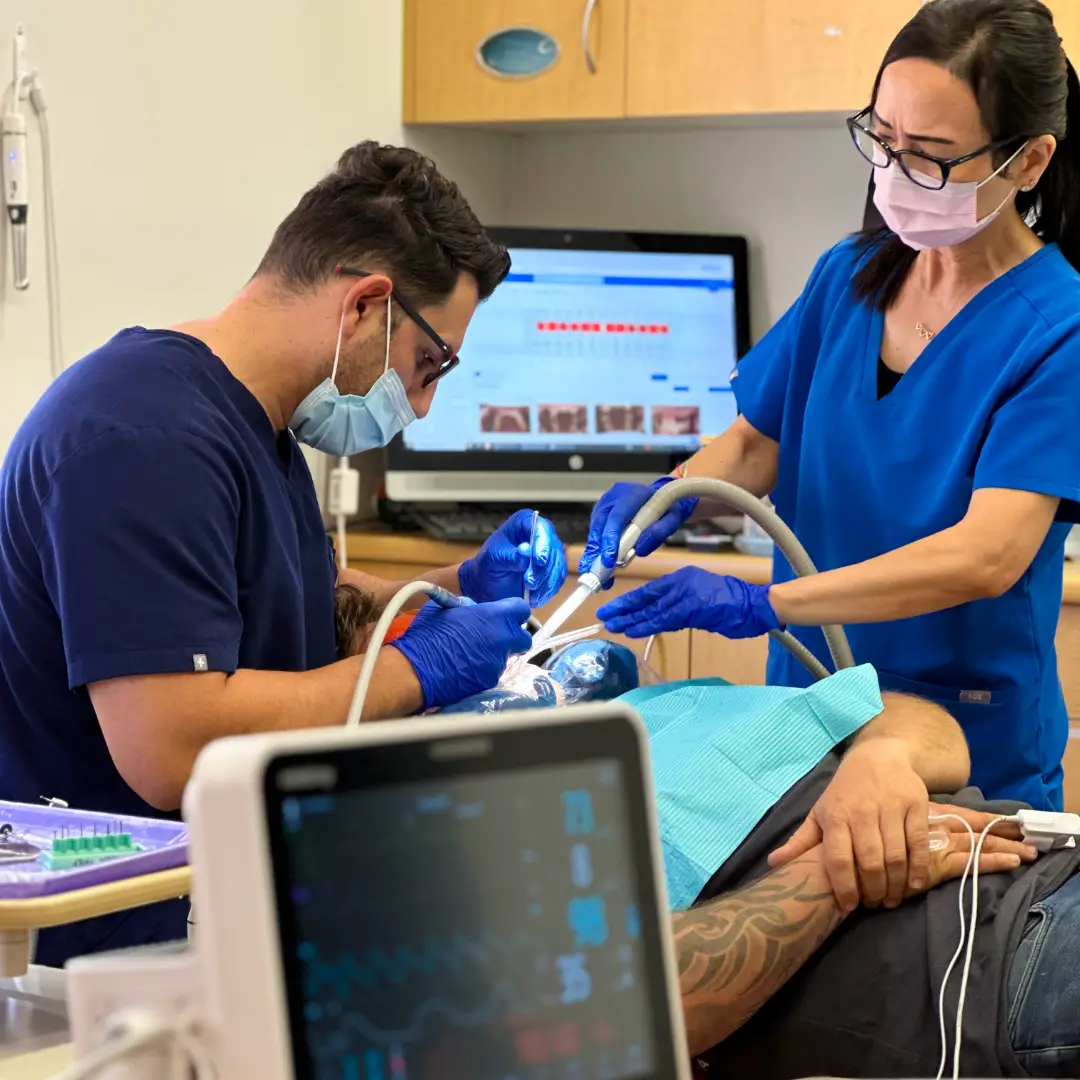
For many Australians, visiting the dentist can be a source of genuine stress. While routine dental appointments may feel manageable for some, others experience overwhelming fear, anxiety, or even panic at the thought of sitting in a dental chair. This type of dental anxiety is far more common than most people realise — and it can have a serious impact on long-term oral health.
Fortunately, modern dentistry has evolved to address not only physical comfort, but emotional wellbeing as well. Sedation dentistry, sometimes referred to as sleep dentistry, offers a safe and effective solution for patients who struggle with dental anxiety, phobia, or past traumatic experiences.At Fortitude Valley Dentist, sedation dentistry is used to help patients receive the dental care they need in a calm, controlled, and stress-free environment. This article explores how sedation dentistry works, who it is suitable for, the different types available in Australia, and how it can transform the dental experience for anxious patients.
Understanding Dental Anxiety
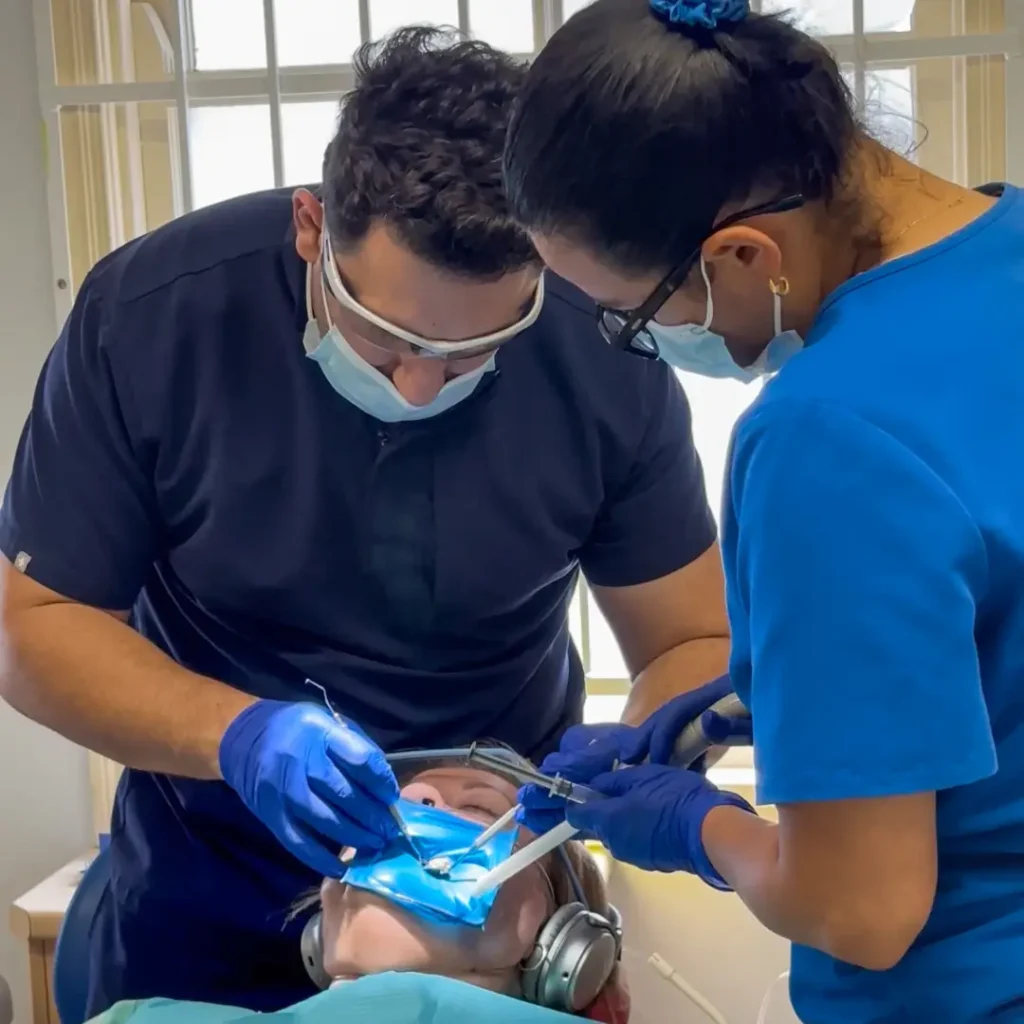
Dental anxiety exists on a broad spectrum. Some patients feel mild nervousness before an appointment, while others experience intense fear that prevents them from attending dental visits altogether.
Common Causes of Dental Anxiety
- Past negative or painful dental experiences
- Fear of needles, drills, or dental instruments
- Loss of control while lying in the dental chair
- Embarrassment about the condition of teeth
- Strong gag reflex or difficulty breathing during treatment
- Sensory triggers such as sounds, smells, or bright lights
Over time, dental anxiety often leads to avoidance, which allows minor dental problems to worsen. This can result in more complex treatments being required later — reinforcing fear and creating a cycle that is difficult to break.
The Impact of Avoiding Dental Care
Avoiding dental treatment due to anxiety or fear does not only affect the appearance of the teeth — it can have far-reaching consequences for a person’s overall health, wellbeing, and quality of life. Many patients who experience dental anxiety delay or completely avoid dental visits for years, often hoping that discomfort will resolve on its own. Unfortunately, dental problems rarely improve without professional care and typically worsen over time.
When routine check-ups and early interventions are missed, minor dental issues can develop into more serious and complex conditions that require extensive treatment. This progression often reinforces anxiety, creating a cycle of avoidance that becomes increasingly difficult to break.
Oral Health Consequences of Avoidance
Untreated dental issues can lead to a range of oral health complications, including:
Tooth Decay and Infections
Small cavities that are left untreated can progress into deep decay, affecting the inner pulp of the tooth. This may lead to painful infections, abscess formation, and the need for more invasive procedures such as root canal treatment or tooth extraction.
Gum Disease and Tooth Loss
Avoiding dental care increases the risk of gum disease, which often progresses silently in its early stages. Advanced gum disease can result in gum recession, bone loss, loose teeth, and eventual tooth loss — all of which can significantly impact function and appearance.
Chronic Pain or Abscesses
Dental infections can cause persistent pain, swelling, and pressure. In some cases, abscesses can spread beyond the tooth into surrounding tissues, requiring urgent treatment and posing risks to overall health if left unmanaged.
Impact on Daily Function and Quality of Life
Dental problems don’t only affect oral health — they can interfere with daily activities and emotional wellbeing.
Difficulty Eating or Speaking
Damaged or missing teeth can make chewing uncomfortable or painful, limiting food choices and affecting nutrition. Speech can also be affected, particularly when front teeth are compromised.
Reduced Confidence and Self-Esteem
The appearance of the teeth plays a significant role in self-confidence. Visible decay, missing teeth, or discolouration can cause embarrassment, leading some individuals to avoid smiling, social situations, or professional interactions.
Financial and Treatment Implications
One of the most overlooked consequences of avoiding dental care is the increased complexity and cost of treatment over time. Preventive care and early intervention are generally straightforward and affordable. However, when problems are left untreated, they often require:
- Longer and more invasive procedures
- Multiple appointments
- Specialist care
- Higher overall treatment costs
This financial burden can further discourage patients from seeking care, reinforcing the cycle of avoidance.
Breaking the Cycle with Sedation Dentistry
Sedation dentistry plays a vital role in helping anxious patients re-engage with dental care. By reducing fear, discomfort, and awareness during treatment, sedation dentistry makes dental visits more accessible and manageable — even for those with severe dental anxiety or phobia.
For many patients, sedation dentistry provides:
- A calm and stress-free treatment experience
- The ability to complete multiple procedures in fewer visits
- Minimal memory of the dental procedure
- A renewed sense of control over their oral health
By addressing anxiety directly, sedation dentistry helps patients break the cycle of avoidance and move towards improved oral health, comfort, and confidence.
What Is Sedation Dentistry?
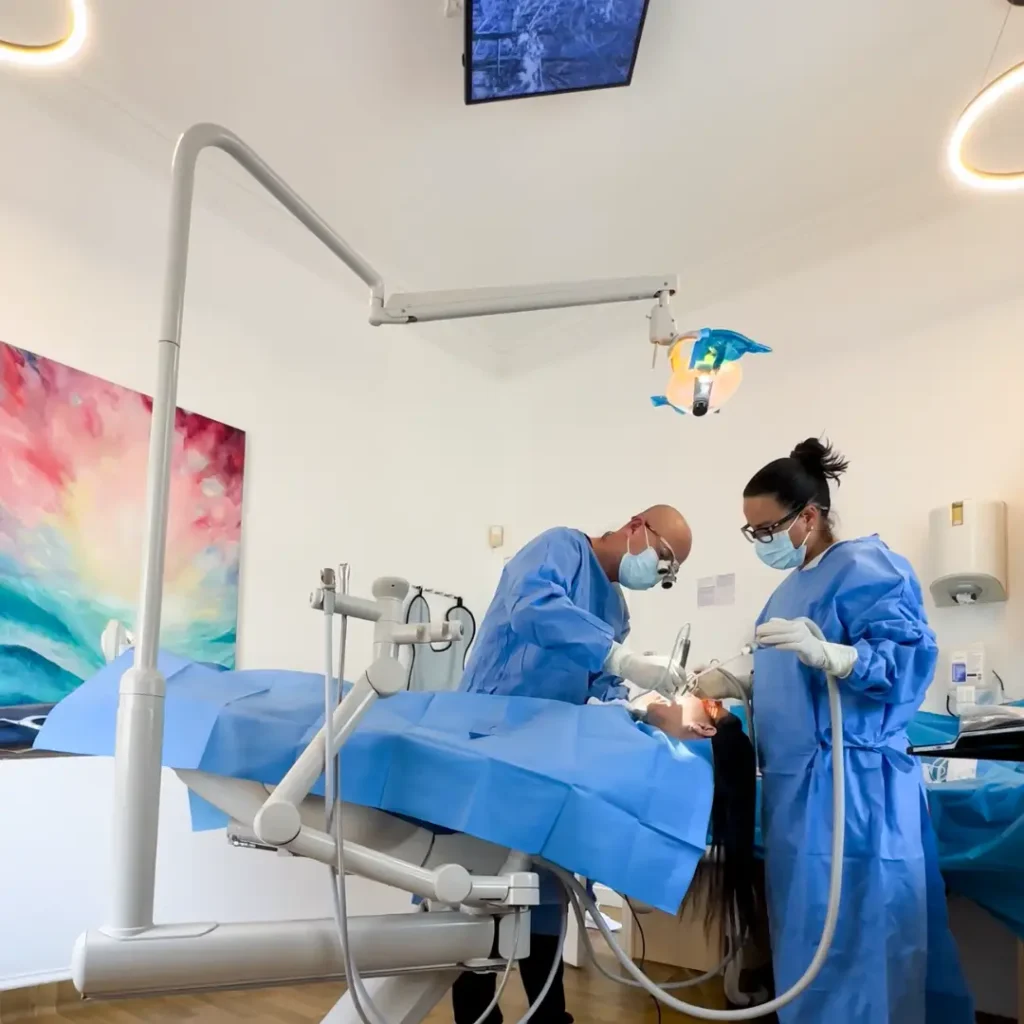
Sedation dentistry involves the use of medication to help patients feel relaxed, calm, or fully unconscious during dental treatment. The level of sedation used depends on the patient’s anxiety level, medical history, and the complexity of the procedure being performed.
The primary goal of sedation dentistry is to:
- Reduce fear and anxiety
- Increase patient comfort
- Minimise awareness of the procedure
- Allow dental treatment to be completed safely and efficiently
Many patients who undergo sedation dentistry report little to no memory of the procedure and describe the experience as calm, comfortable, and surprisingly easy.
Types of Sedation Dentistry Available in Australia
In Australia, sedation dentistry is regulated and can only be provided by dentists who have undergone additional training and accreditation. The two most common forms used in dental settings are IV sedation and general anaesthesia.
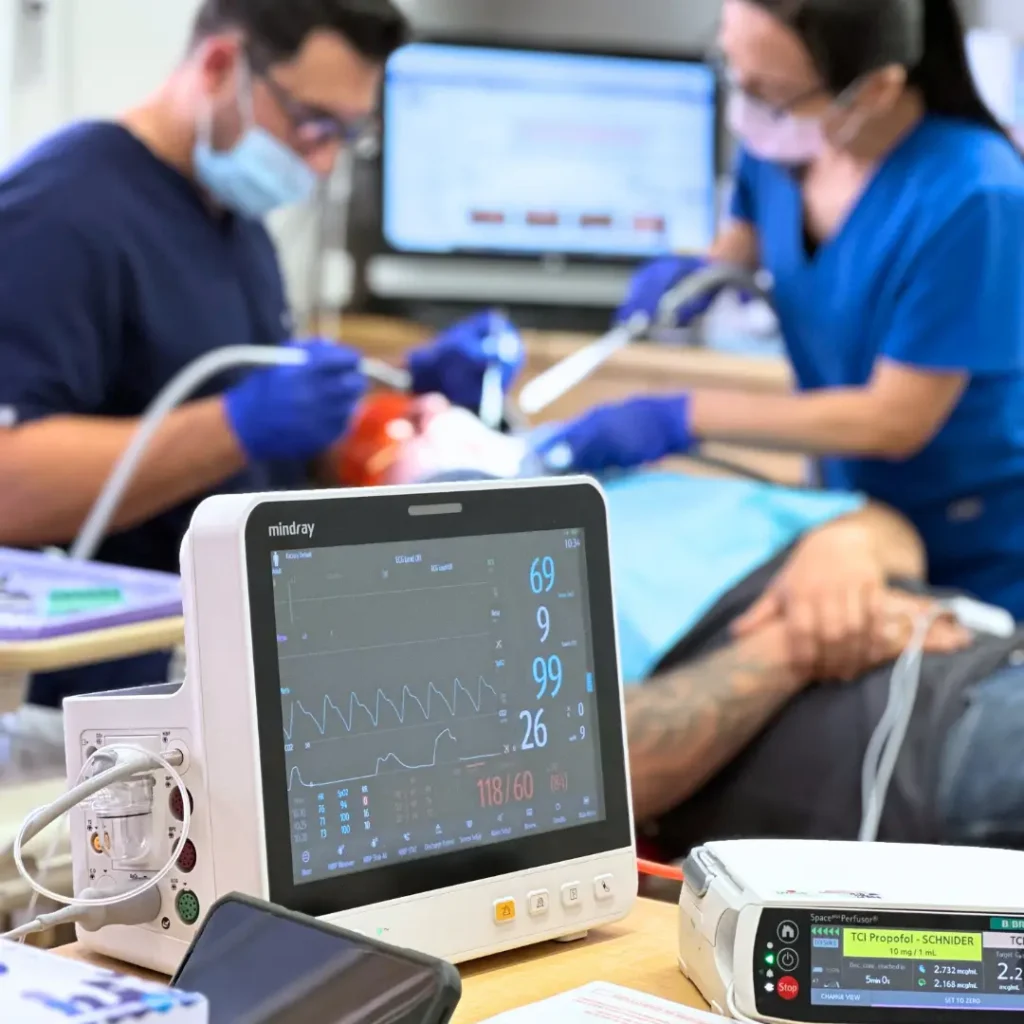
IV Sedation (Twilight Sedation)
IV sedation is one of the most commonly used forms of sedation dentistry for anxious patients. It involves administering medication through a vein, placing the patient into a deeply relaxed, dream-like state.
Although patients remain conscious, they typically:
- Feel extremely calm and relaxed
- Have reduced awareness of time and surroundings
- Respond to verbal instructions if needed
- Retain little or no memory of the procedure
Benefits of IV Sedation
- Significant reduction in anxiety
- Fast onset of relaxation
- Controlled and adjustable sedation levels
- Faster recovery compared to general anaesthesia
- Suitable for many dental procedures
IV sedation is often ideal for patients with moderate to severe dental anxiety or those undergoing longer procedures.
General Anaesthesia
General anaesthesia places the patient into a fully unconscious state and is typically used for:
- Severe dental phobia
- Complex or lengthy procedures
- Multiple treatments completed in one visit
- Patients unable to tolerate treatment under lighter sedation
General anaesthesia is performed in a hospital setting, with a trained anaesthetist present. After treatment, patients recover under medical supervision before being discharged.
While recovery time is longer than IV sedation, general anaesthesia can be life-changing for patients who otherwise could not receive dental care.
Who Is Sedation Dentistry Suitable For?
Sedation dentistry is designed to help a wide range of patients receive dental care comfortably and without distress. While it is commonly associated with severe dental anxiety, sedation dentistry can benefit many individuals whose physical or emotional responses make routine dental treatment challenging.
By tailoring the level of sedation to the patient’s needs, dentists can provide a calmer, safer, and more manageable experience — even for those who have avoided dental care for years.
Patients with Moderate to Severe Dental Anxiety or Phobia
Sedation dentistry is particularly beneficial for patients who experience intense fear or panic at the thought of dental treatment. This may include physical symptoms such as rapid heartbeat, sweating, nausea, or panic attacks. Sedation helps calm the nervous system, allowing treatment to proceed without overwhelming anxiety.
Patients with Past Traumatic Dental Experiences
Negative dental experiences in the past can have a lasting emotional impact. Patients who associate dental visits with pain or loss of control often find it difficult to return to routine care. Sedation dentistry helps create a positive and stress-free experience, allowing patients to rebuild trust and confidence in dental treatment.
Patients with a Strong Gag Reflex
A hypersensitive gag reflex can make even simple dental procedures uncomfortable or impossible. Sedation reduces this reflex, enabling the dentist to work more effectively while improving patient comfort.
Patients Requiring Multiple or Complex Procedures
Sedation dentistry is well suited for patients who need extensive dental work, such as multiple fillings, extractions, dental implants, or restorative procedures. Sedation allows several treatments to be completed in one visit, reducing the number of appointments and overall stress.
Patients Who Struggle to Sit Still for Long Periods
Some patients find it difficult to remain still due to anxiety, discomfort, physical conditions, or restlessness. Sedation promotes relaxation, making longer procedures more manageable and safer for both patient and dentist.
Patients with Sensitive Teeth or Low Pain Tolerance
Patients with heightened sensitivity or low pain tolerance often find dental procedures distressing, even when local anaesthetic is used. Sedation dentistry enhances comfort by reducing awareness of sensations during treatment.
Individual Assessment and Suitability
While sedation dentistry is suitable for many patients, it is not automatically recommended for everyone. Before proceeding, dentists conduct a comprehensive consultation to ensure sedation is safe and appropriate.
This assessment typically includes:
- Review of medical history and current health conditions
- Evaluation of medications and potential interactions
- Discussion of previous experiences with sedation or anaesthesia
- Assessment of anxiety levels and treatment needs
This careful evaluation allows the dental team to recommend the most appropriate form of sedation and ensure patient safety at every stage of care.
Sedation dentistry provides an invaluable pathway for patients who might otherwise avoid dental treatment. With proper assessment and professional oversight, it offers a calm, controlled, and confidence-building approach to dental care.
How Sedation Dentistry Helps Anxious Patients
Sedation dentistry is more than a comfort measure — it is a clinically supported approach that allows anxious patients to receive essential dental care in a calm, controlled, and supportive environment. By addressing both the physical and emotional aspects of dental anxiety, sedation dentistry can transform the entire dental experience.
1. Reduces Fear and Stress
Sedation works by calming the central nervous system, significantly reducing the body’s stress response. Patients often feel deeply relaxed rather than tense or overwhelmed, even before treatment begins. This state of relaxation helps prevent panic responses such as rapid heart rate, sweating, or nausea, allowing dental procedures to proceed smoothly without emotional distress.
For patients with dental phobia, this reduction in fear can be profound, making treatment possible when it might otherwise feel unbearable.
2. Improves Comfort During Treatment
Under sedation, patients are far less aware of dental sensations, sounds, and the passage of time. Common triggers such as the sound of dental instruments, bright lights, or pressure during treatment become much less noticeable.
This improved comfort is particularly beneficial for longer or more complex procedures, helping patients remain calm and at ease throughout their appointment.
3. Enables Comprehensive Treatment in Fewer Visits
Sedation dentistry allows dentists to complete multiple treatments in a single appointment. For anxious patients, this can significantly reduce the number of dental visits required, minimising repeated exposure to anxiety-inducing situations.
Completing comprehensive dental care in fewer sessions also helps prevent further deterioration of oral health and allows patients to progress more quickly towards a healthy, stable smile.
4. Minimises Memory of the Procedure
Many patients who undergo sedation dentistry report having little to no memory of the procedure itself. This reduced recall can be particularly valuable for patients with past traumatic dental experiences, as it helps prevent the formation of new negative memories.
By limiting procedural memory, sedation dentistry reduces the likelihood that anxiety will intensify or persist after treatment.
5. Builds Confidence for Future Dental Visits
Perhaps one of the most important long-term benefits of sedation dentistry is the positive impact it can have on a patient’s confidence. Experiencing a calm, pain-free dental visit helps many patients realise that dental care does not have to be frightening.
Over time, this positive reinforcement can make future dental visits — including routine check-ups and preventive care — feel far more manageable, helping patients maintain their oral health with greater confidence and consistency.
Sedation dentistry offers anxious patients a pathway toward improved oral health without fear or distress. With the right support and professional care, it can turn avoidance into engagement and anxiety into confidence.
Safety and Regulation in Australia
Sedation dentistry in Australia is strictly regulated to ensure patient safety. Dentists must meet specific training and endorsement requirements before offering sedation services.
Safety protocols include:
- Detailed medical assessments
- Monitoring of vital signs during treatment
- Emergency preparedness
- Post-treatment recovery supervision
When provided by a qualified dental team, sedation dentistry is considered a safe and effective option for eligible patients.
Preparing for Sedation Dentistry
Patients undergoing sedation dentistry receive clear instructions prior to treatment, which may include:
- Fasting for a specific period
- Adjusting certain medications
- Arranging a responsible adult for transport home
Following these instructions is essential to ensure safety and a smooth recovery.
Recovery After Sedation Dentistry

Recovery after sedation dentistry varies depending on the type of sedation used, the length of the procedure, and individual patient factors such as overall health and sensitivity to medication. Understanding what to expect during the recovery period can help patients feel more prepared and confident about their treatment.
Regardless of the sedation method, careful post-treatment care and adherence to your dentist’s instructions are essential for a smooth and safe recovery.
Recovery After IV Sedation
IV sedation, often referred to as twilight sedation, allows for a relatively quick recovery compared to general anaesthesia. Most patients remain deeply relaxed during treatment and gradually become more alert once the procedure is complete.
After IV sedation, patients commonly experience:
- Drowsiness or grogginess for several hours
- Reduced coordination and slower reaction times
- Mild confusion or forgetfulness
- Little to no memory of the dental procedure
Patients are typically able to return home on the same day; however, a responsible adult must accompany them. It is important to rest for the remainder of the day and avoid physically or mentally demanding activities.
Recovery After General Anaesthesia
Recovery following general anaesthesia takes longer and occurs in a hospital setting under medical supervision. After the dental procedure is completed, patients are transferred to a recovery area where vital signs are closely monitored until they are fully awake and stable.
Common post-anaesthesia effects may include:
- Prolonged drowsiness or fatigue
- Nausea or dizziness
- Temporary disorientation
- Sore throat or dry mouth
Patients are only discharged once recovery protocols are met and must be accompanied home by a responsible adult. Full recovery may take a day or more, depending on the individual and the length of the procedure.
Important Post-Treatment Guidelines
To support a safe and comfortable recovery after sedation dentistry, patients are advised to:
- Rest quietly for the remainder of the day
- Avoid driving, operating machinery, or making important decisions for at least 24 hours
- Follow all post-treatment and medication instructions provided by the dental team
- Eat light meals and stay hydrated, unless otherwise advised
- Contact the clinic if unexpected symptoms or concerns arise
Supporting a Smooth Recovery
Sedation dentistry is carefully planned with patient safety in mind, and recovery is an important part of the overall treatment process. By following professional advice and allowing adequate time for rest, most patients recover comfortably and without complications.
Understanding the recovery process can help reduce uncertainty and anxiety, ensuring patients feel supported not only during their treatment, but also afterward.
Addressing Common Myths About Sedation Dentistry
Sedation dentistry is often misunderstood, and misconceptions can prevent anxious patients from exploring a treatment option that could significantly improve their dental experience. Addressing these common myths helps patients make informed decisions based on facts rather than fear.
“Sedation dentistry is only for major procedures.”
This is a common misconception. While sedation dentistry is frequently used for complex or lengthy procedures, it is also widely used for routine dental treatments in patients who experience anxiety or distress.
Sedation may be recommended for:
- Dental check-ups and cleans for highly anxious patients
- Fillings and restorative work
- Root canal therapy
- Tooth extractions
- Cosmetic dental procedures
The purpose of sedation dentistry is not the complexity of the procedure, but the comfort and emotional wellbeing of the patient. Even relatively simple treatments can feel overwhelming for someone with dental anxiety, and sedation helps ensure these patients receive care without distress.
“Sedation dentistry is dangerous.”
When performed by properly trained and endorsed dental professionals, sedation dentistry is considered very safe. In Australia, strict regulations govern who can provide sedation dentistry and how it must be administered.
Safety measures include:
- Thorough medical and medication assessments
- Careful patient selection
- Continuous monitoring of vital signs during treatment
- Emergency preparedness and recovery protocols
These safeguards are designed to minimise risk and ensure patient safety at every stage of care.
“I’ll be completely unconscious.”
Not all forms of sedation dentistry involve unconsciousness. This myth often causes unnecessary concern.
- IV sedation (twilight sedation) places patients in a deeply relaxed, dream-like state. Patients remain conscious and able to respond to verbal instructions, but are typically unaware of time and surroundings and often have little or no memory of the procedure.
- General anaesthesia is the only form of sedation that results in full unconsciousness and is used in specific cases, such as severe dental phobia or complex treatment.
Your dentist will explain which type of sedation is recommended and why, ensuring you understand exactly what to expect.
Understanding Sedation Dentistry Builds Confidence
With accurate information and professional guidance, many patients discover that sedation dentistry offers a calm and supportive pathway to better oral health.
Clarifying these myths helps patients feel more informed and empowered. Sedation dentistry is not about extreme measures — it is about providing safe, compassionate dental care that accommodates individual needs and anxiety levels.
Why Choose Fortitude Valley Dentist for Sedation Dentistry?
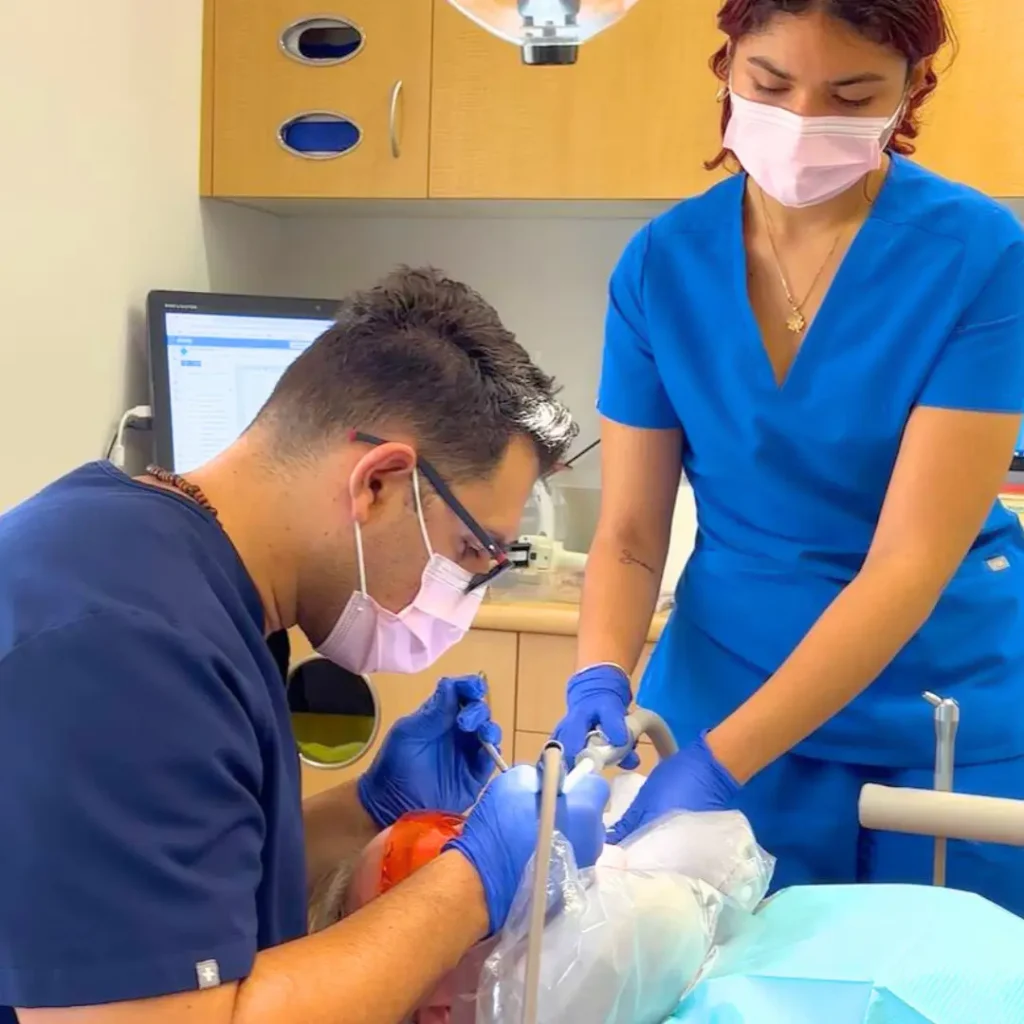
At Fortitude Valley Dentist, sedation dentistry is delivered with compassion, professionalism, and patient-centred care.
- Experienced dental team serving Brisbane CBD
- Accredited sedation providers
- Thorough pre-treatment assessments
- Focus on safety, comfort, and dignity
- Flexible payment options available
Our goal is to help patients regain control over their oral health — without fear.
A New Way Forward for Anxious Patients

Dental anxiety does not have to define your experience or prevent you from achieving a healthy smile. Sedation dentistry offers a calm, supportive pathway for patients who have struggled with fear or avoidance in the past.
With the right dental team, modern sedation techniques, and a personalised approach, even the most anxious patients can receive the care they need comfortably and confidently.
Book Your Sedation Dentistry Consultation
If dental anxiety has been preventing you from receiving the care you need, sedation dentistry may be the solution. At Fortitude Valley Dentist, our experienced dental team takes the time to understand your concerns, assess your suitability for sedation, and guide you through every step of the process with care and professionalism.
Whether you experience mild anxiety or severe dental phobia, we are committed to helping you feel safe, supported, and comfortable throughout your treatment. A personalised consultation will allow us to discuss your medical history, treatment needs, and the most appropriate sedation option for you.
📍 Address: 117 Warry Street, Fortitude Valley QLD 4006
📞 Phone: (07) 3544 7777
📧 Email: info@fortitudevalleydentist.com.au
A calm dental experience is possible — and it starts with understanding, expertise, and genuine care. Book your sedation dentistry consultation today and take the first step towards stress-free dental treatment.
Conclusion
Dental anxiety is a real and often overwhelming barrier that prevents many people from receiving the care they need. Left unaddressed, this fear can lead to worsening oral health, increased discomfort, and more complex dental problems over time. The good news is that modern dentistry offers effective solutions to help patients overcome these challenges.
Sedation dentistry provides a calm, controlled, and compassionate approach to dental care for anxious patients. By reducing fear, improving comfort, and minimising awareness of treatment, it allows dental procedures to be completed safely and efficiently — even for those who have avoided the dentist for years. For many patients, sedation dentistry is not just about comfort during one appointment, but about rebuilding confidence and restoring trust in dental care.
At Fortitude Valley Dentist, sedation dentistry is delivered with a strong focus on patient safety, personalised care, and clinical excellence. Every patient is carefully assessed to ensure sedation is appropriate, and treatment is planned with both physical and emotional wellbeing in mind.
If dental anxiety has been holding you back, sedation dentistry may offer a pathway to better oral health without fear or distress. With the right support, expertise, and understanding, a calm and positive dental experience is not only possible — it is achievable.
