
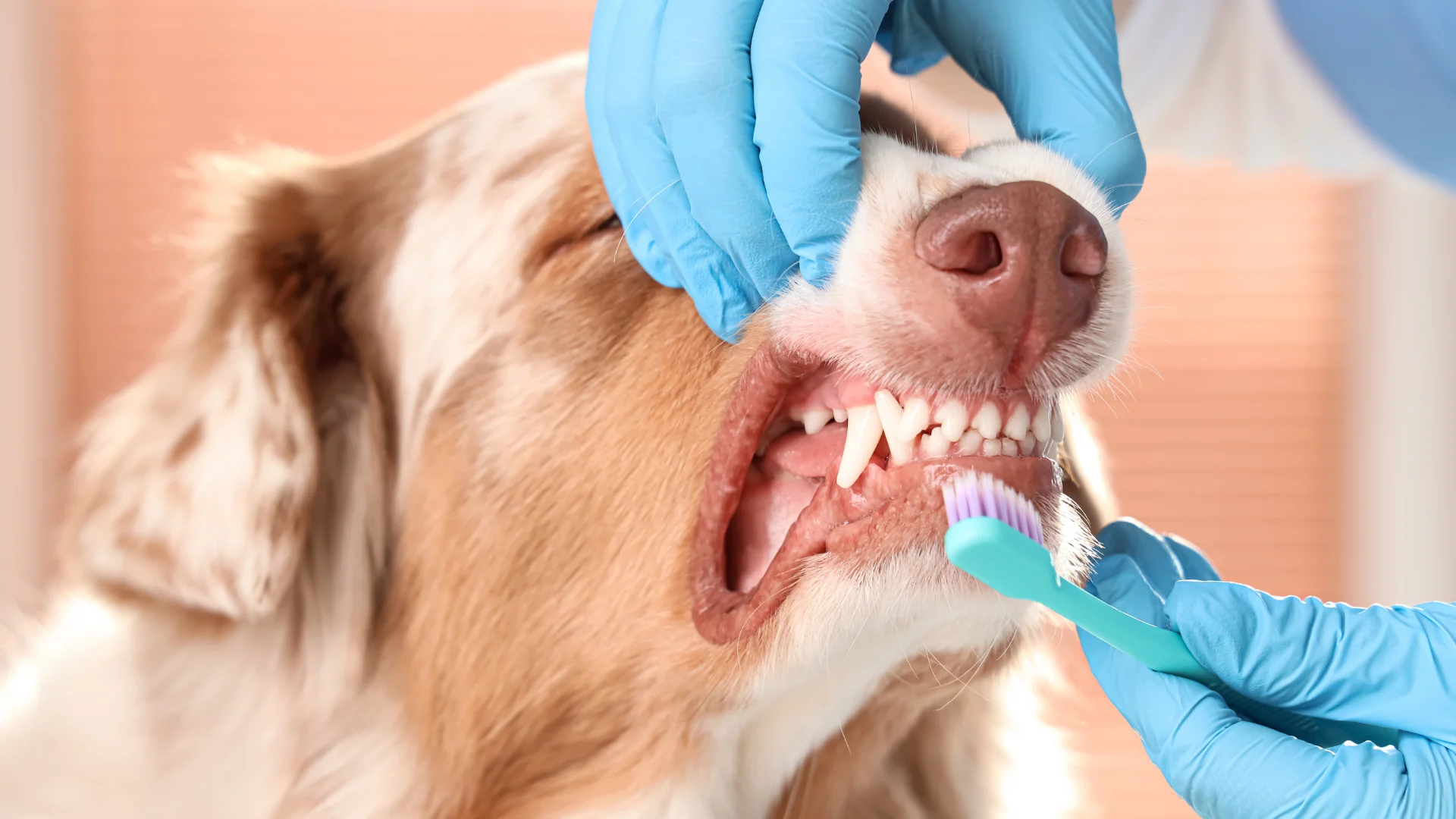
Coming home to a happy, tail-wagging dog is one of life’s simple joys — but nothing spoils that moment faster than bad breath. Just like humans, dogs need proper oral care to stay healthy and comfortable. In fact, studies show that up to 80% of dogs over three years old develop some form of periodontal disease, which can affect not only their mouth but also their overall health.
A dog’s oral health is more important than many pet owners realise. Poor dental care can lead to painful infections, tooth loss, and even impact organs such as the heart, liver, and kidneys. The good news is that with proper care, you can prevent these problems and keep your furry friend healthy, happy, and tail-wagging.
In this ultimate guide, we’ll cover everything from diet and toys to brushing, professional care, and recognising early warning signs. By the end, you’ll have all the tools you need to maintain your dog’s oral health for years to come.
Why Dental Care Is Important for Dogs
Many dog owners underestimate the importance of oral care. Unlike humans, dogs can’t brush their teeth or understand why their mouth hurts. Poor dental hygiene can lead to:
- Plaque and Tartar Buildup: A sticky film called plaque forms on teeth and eventually hardens into tartar, which can only be removed by a vet.
- Gum Disease (Gingivitis and Periodontitis): Inflammation of the gums can cause bleeding, pain, and tooth loss.
- Tooth Loss: Untreated dental disease can result in teeth falling out or needing extraction.
- Bad Breath (Halitosis): While often dismissed as minor, it’s usually a sign of bacteria buildup or dental disease.
- Systemic Health Issues: Bacteria from the mouth can enter the bloodstream, affecting the heart, liver, and kidneys.
A healthy mouth isn’t just about fresh breath — it’s vital for your dog’s overall wellbeing.
Choosing the Right Diet
Your dog’s diet plays a huge role in oral health. While nutrition primarily impacts overall health, certain foods can help reduce plaque and tartar.
Dry vs. Wet Food
- Dry Kibble: Crunchy kibble helps scrape away plaque while chewing. It also reduces the chances of food sticking to teeth.
- Wet or Soft Food: Can stick to teeth more easily, creating a breeding ground for bacteria. This doesn’t mean wet food should be avoided entirely, but it should be balanced with other dental care methods.
Dental-Specific Dog Food
Some brands produce dental diets formulated to clean teeth while your dog chews. Look for products approved by veterinary dental organisations.
Treats and Chews
-
- Dental Chews: Specially designed to reduce plaque and tartar. Look for those with the VOHC (Veterinary Oral Health Council) seal of approval.
- Dental Chews: Specially designed to reduce plaque and tartar. Look for those with the VOHC (Veterinary Oral Health Council) seal of approval.
- Natural Chews: Rawhide, bully sticks, or specially formulated bones can help clean teeth but should always be given under supervision to prevent choking.
Tip: Always consult your vet before changing your dog’s diet, especially if they have allergies, digestive issues, or pre-existing conditions.
Dental Toys: Fun That Cleans
Dogs love to chew — and the right toys can make this a productive habit for oral health.
Best Materials
- Hard Rubber: Durable and safe, these toys help scrape plaque off teeth. Brands like Kong or Nylabone are popular.
- Textured Surfaces: Toys with ridges or nubs are excellent for cleaning teeth and massaging gums.
Toys to Avoid
- Very hard bones or antlers (can fracture teeth)
- Toys that easily break apart (choking hazard)
- Anything with small detachable parts
Fun idea: Freeze a Kong stuffed with a small amount of peanut butter or yogurt. The cold texture can soothe gums while encouraging chewing.
Brushing Your Dog’s Teeth: A Complete Guide
Brushing is the single most effective way to prevent dental disease in dogs. While it may sound intimidating at first, with patience and the right approach, it can become a positive experience for both you and your dog. Regular brushing helps remove plaque before it hardens into tartar, reducing the risk of gum disease, tooth loss, and bad breath.
Getting Started
Before you even pick up a toothbrush, it’s important to prepare your dog for the experience.
- Choose the Right Toothbrush
- Soft-bristled toothbrush: Designed specifically for dogs, these brushes are gentle on gums while effectively cleaning teeth.
- Finger brushes: Small, silicone brushes that fit over your finger are ideal for beginners or small dogs. They allow you more control and can help your dog get used to the sensation.
- Soft-bristled toothbrush: Designed specifically for dogs, these brushes are gentle on gums while effectively cleaning teeth.
- Select Dog-Safe Toothpaste
- Never use human toothpaste. Ingredients like fluoride and xylitol are toxic to dogs and can cause serious health issues.
- Dog toothpaste comes in flavours your pet will love, such as poultry, beef, or peanut butter, making the process more enjoyable.
- Never use human toothpaste. Ingredients like fluoride and xylitol are toxic to dogs and can cause serious health issues.
- Pick the Right Time
- Choose a quiet, calm environment where your dog feels safe. Avoid times when your dog is hyper or distracted.
- Short sessions of 2–3 minutes are plenty for beginners — you can gradually extend the time as your dog becomes accustomed.
- Choose a quiet, calm environment where your dog feels safe. Avoid times when your dog is hyper or distracted.
- Get Your Dog Comfortable
- Allow your dog to smell and taste the toothpaste first. Let them lick it from your finger or the brush before any actual brushing begins.
- Gently lift their lips and touch their teeth with your finger or the brush, giving plenty of praise and reassurance.
- Allow your dog to smell and taste the toothpaste first. Let them lick it from your finger or the brush before any actual brushing begins.
Step-by-Step Brushing
Brushing your dog’s teeth is all about Veneer and creating a positive association:
- Introduce the Toothbrush Slowly
- Let your dog sniff or chew the brush without toothpaste first. This helps reduce fear or anxiety.
- Apply Toothpaste and Start Brushing
- Place a small amount of dog toothpaste on the brush.
- Gently lift your dog’s lips and use small, circular motions on each tooth. Focus especially on the gumline, where plaque and tartar accumulate.
- Place a small amount of dog toothpaste on the brush.
- Be Patient and Positive
- Brush just a few teeth at first if your dog is nervous. Gradually work up to all teeth over several sessions.
- Praise your dog and offer a small treat after each attempt, even if it’s only partial brushing.
- Brush just a few teeth at first if your dog is nervous. Gradually work up to all teeth over several sessions.
- Work on Both Sides
- Make sure to clean the outer surfaces (facing the lips and cheeks) and the inner surfaces (toward the tongue). Most tartar builds up on the outer surfaces, so prioritize these if time is limited.
- Consistency Over Duration
- Even short, frequent sessions are more effective than rare, long sessions.
- Even short, frequent sessions are more effective than rare, long sessions.
Frequency and Routine
- Daily brushing is ideal for optimal dental health.
- If daily brushing isn’t feasible, aim for at least three times per week — this still significantly reduces plaque and tartar buildup.
- Consistency is more important than perfection; a few minutes several times a week can make a noticeable difference over time.
Tips for Success
- Positive Reinforcement
- Always reward your dog with praise, gentle petting, or a small treat after brushing. Positive reinforcement helps them associate brushing with something enjoyable.
- Start Small
- Don’t try to brush every tooth from day one. Focus on a few teeth at a time and gradually increase coverage.
- Stay Calm and Patient
- Dogs can sense your stress. Keep your tone gentle and avoid forcing them — this builds trust and reduces fear.
- Make It Fun
- Turn brushing into a game by using playful praise, cheerful words, and rewards. Some owners even sing or use a calm voice to make the experience enjoyable.
- Use Alternatives When Needed
- If brushing is impossible some days, supplement with dental wipes, chews, or water additives. These won’t replace brushing but help reduce plaque and maintain gum health.
Common Challenges and How to Overcome Them
|
Challenge |
Solution |
|
Dog resists brushing |
Start with finger brushing or just touching teeth. Gradually introduce the toothbrush. |
|
Dog chews brush |
Use a soft finger brush first or distract them with praise and treats. |
|
Toothpaste refusal |
Try different flavours; let them lick toothpaste from your finger first. |
|
Squirming |
Hold gently, brush a few teeth at a time, and take breaks. |
Remember, patience is key. Some dogs take weeks or months to fully accept brushing, and that’s perfectly normal.
The Long-Term Benefits of Regular Brushing
- Prevents gum disease and tooth loss
- Reduces bad breath
- Minimises need for professional cleanings under anaesthesia
- Supports overall health, reducing risks to the heart, liver, and kidneys
By making brushing a routine, you’re giving your dog a longer, healthier, and more comfortable life.
Professional Dental Care for Dogs
Even with the most diligent home care, dogs still need professional dental check-ups to maintain optimal oral health. Just like humans, some dental problems cannot be fully prevented through brushing, chews, or diet alone. Regular veterinary dental care helps detect issues early, prevents pain, and supports overall health.
Annual Exams: Catching Problems Early
Regular dental exams are essential to identify issues before they become serious. During a check-up, your veterinarian will:
- Examine teeth, gums, and oral tissues: They check for redness, swelling, tartar buildup, and other early signs of dental disease.
- Assess bite alignment: Misaligned teeth or jaw abnormalities can lead to discomfort and plaque accumulation.
- Check for signs of oral pain or infection: Dogs are masters at hiding discomfort, so professional evaluation is key.
- Take dental X-rays: Many dental problems, such as infections, bone loss, or abscesses, develop beneath the gum line. X-rays allow your vet to see hidden issues that aren’t visible during a regular exam.
Early detection is critical. Many dental problems, if caught in time, can be treated without surgery or tooth extraction.
Professional Cleaning: Beyond Brushing
Professional dental cleaning goes beyond what home care can achieve. Key aspects include:
- Safe Anaesthesia
-
-
- Dogs are placed under controlled anaesthesia to ensure safety and comfort during the procedure.
- This allows thorough cleaning without stress or discomfort, especially for anxious or large dogs.
- Dogs are placed under controlled anaesthesia to ensure safety and comfort during the procedure.
-
- Tartar and Plaque Removal
-
-
- Hardened tartar cannot be removed by brushing alone.
- Using specialised tools, your vet scales the teeth, removing tartar both above and below the gum line.
- Hardened tartar cannot be removed by brushing alone.
-
- Polishing
-
-
- After cleaning, teeth are polished to smooth surfaces and reduce future plaque accumulation.
- Polishing also helps prevent bacteria from adhering to teeth and gums.
- After cleaning, teeth are polished to smooth surfaces and reduce future plaque accumulation.
-
- Treatment of Existing Problems
-
- If cavities, fractures, or gum disease are detected, your vet can address them during the same session.
- This may include tooth extraction, antibiotics for infection, or special treatments for sensitive teeth.
- If cavities, fractures, or gum disease are detected, your vet can address them during the same session.
Professional cleaning not only improves your dog’s oral health but also prevents systemic complications that can affect the heart, kidneys, and liver.
When to Seek Immediate Care
While annual exams are essential, certain symptoms require urgent veterinary attention:
- Bleeding gums: Could indicate advanced gingivitis or injury.
- Excessive drooling: Often a sign of oral pain, infection, or a foreign object stuck in the mouth.
- Sudden worsening of bad breath: May signal infection or abscess formation.
- Broken or loose teeth: Can cause pain, infection, and difficulty eating.
- Reluctance to eat or chew: Indicates oral discomfort, which should not be ignored.
Early intervention prevents serious health complications, reduces pain, and often saves teeth that might otherwise be lost.
How Often Should Professional Care Be Scheduled?
- Healthy adult dogs: Once a year is generally sufficient.
- Dogs with dental disease or high-risk breeds: More frequent visits (every 6–9 months) may be recommended.
- Senior dogs: Regular monitoring is important as dental problems are more common with age.
Benefits of Regular Professional Dental Care
- Reduces the risk of systemic disease by controlling bacterial spread.
- Prevents painful infections that could require surgery.
- Maintains a healthy bite and chew function.
- Improves overall quality of life by keeping your dog comfortable and free of oral pain.
Combining professional care with home brushing and healthy chews creates a comprehensive dental routine that keeps your dog’s mouth — and entire body — healthy.
Recognising Dental Disease in Dogs
Detecting dental problems early is crucial to keeping your dog healthy and pain-free. Dogs are experts at hiding discomfort, so vigilant observation is key. By understanding the signs of dental disease, you can intervene before problems become severe, saving your dog from pain and avoiding costly treatments.
Common Early Signs of Dental Disease
Even in the early stages, dental disease can affect your dog’s comfort and wellbeing. Watch for the following signs:
- Bad Breath (Halitosis)
-
-
- Persistent bad breath is often the first indication of plaque and tartar buildup.
- Persistent bad breath is often the first indication of plaque and tartar buildup.
-
- While some “doggy breath” is normal, a sudden or worsening odour may signal infection or gum disease.
- Discoloured Teeth
-
-
- Yellow or brown tartar on teeth, especially near the gumline, indicates plaque hardening into tartar.
- Tartar buildup can trap bacteria, accelerating gum disease.
- Yellow or brown tartar on teeth, especially near the gumline, indicates plaque hardening into tartar.
-
- Red, Swollen, or Bleeding Gums
-
-
- Healthy gums are usually pink. Red, inflamed gums are a sign of gingivitis.
- Bleeding may occur when chewing or during brushing — never ignore it.
- Healthy gums are usually pink. Red, inflamed gums are a sign of gingivitis.
-
- Difficulty Chewing or Dropping Food
-
-
- Dogs with dental pain may drop food while eating or avoid hard kibble and chew toys.
- Changes in eating habits are often subtle, so observe their behaviour closely.
- Dogs with dental pain may drop food while eating or avoid hard kibble and chew toys.
-
- Pawing at the Mouth or Face
-
- If your dog is pawing at their mouth, rubbing their face, or shaking their head, it may indicate oral discomfort or pain.
Advanced Signs of Dental Disease
If left untreated, dental disease can progress and lead to more serious problems:
-
- Tooth Loss: Severe gum disease can weaken tooth roots, causing teeth to fall out.
- Abscesses: Infections in the tooth root or gums can create painful, swollen areas, sometimes with pus.
- Tooth Loss: Severe gum disease can weaken tooth roots, causing teeth to fall out.
- Fever or Lethargy: Bacteria from dental infections can enter the bloodstream, affecting the whole body and causing systemic illness.
Prompt veterinary attention is crucial if you notice any of these advanced signs.
Monitoring Your Dog’s Dental Health
Keeping a dental diary can help you track your dog’s oral health and detect problems early:
- Brushing Schedule: Note how often and how thoroughly you brush.
- Chew Habits: Track the types of toys or chews your dog enjoys and whether they avoid hard objects.
- Signs of Discomfort: Record observations like pawing at the mouth, drooling, or changes in appetite.
- Progress Over Time: Compare weekly or monthly notes to see improvements or worsening conditions.
Bringing your diary to vet visits provides valuable information for personalised care and helps your veterinarian make the best recommendations.
Pro Tips for Dog Owners
- Perform a Weekly Mouth Check
-
-
- Gently lift your dog’s lips and inspect teeth and gums for plaque, tartar, or redness.
- Gently lift your dog’s lips and inspect teeth and gums for plaque, tartar, or redness.
-
- Small dogs or senior dogs may require more frequent checks.
- Notice Behavioural Changes
- Reduced playfulness, reluctance to chew, or sudden irritability may indicate oral pain.
- Act Early
-
- Even minor signs like yellowing teeth or slightly red gums warrant attention — early treatment is simpler, less invasive, and less expensive.
- Even minor signs like yellowing teeth or slightly red gums warrant attention — early treatment is simpler, less invasive, and less expensive.
By recognising dental disease early and monitoring your dog closely, you can protect their health, comfort, and quality of life. A proactive approach prevents minor issues from turning into serious problems.
Special Considerations by Dog Type
Some breeds are more prone to dental issues:
- Small Breeds (e.g., Pomeranians, Chihuahuas): Crowded teeth make tartar buildup more likely.
- Brachycephalic Breeds (e.g., Bulldogs, Pugs): Short jaws can trap food, leading to periodontal disease.
- Senior Dogs: Teeth naturally wear down and are more prone to disease.
Breed-specific considerations may influence the type of dental care needed.
Alternative and Supplementary Dental Care
In addition to brushing, other products can support oral health:
- Water Additives: Reduce plaque and freshen breath.
- Dental Wipes: Convenient for dogs that resist brushing.
- Oral Sprays or Gels: Can be applied directly to gums to control bacteria.
Tip: These are supplements, not replacements for brushing or professional care.
Lifestyle Tips for Maintaining Oral Health
- Regular Check-Ins: Examine your dog’s mouth weekly for early signs of disease.
- Chewing Time: Provide daily chewing opportunities to naturally clean teeth.
- Hydration: Water helps flush bacteria from the mouth.
- Balanced Diet: Nutrition impacts oral and overall health.
The Long-Term Benefits of Dental Care
Maintaining your dog’s teeth has far-reaching benefits:
-
- Pain Prevention: Avoid toothaches and gum inflammation.
- Better Nutrition: Healthy teeth make eating easier.
- Improved Breath: A more pleasant home environment.
- Pain Prevention: Avoid toothaches and gum inflammation.
- Enhanced Longevity: Good oral hygiene can reduce risks of systemic disease.
How Genetics and Breed Affect Dental Health
Some dogs are genetically predisposed to dental problems:
- Small breeds like Yorkshire Terriers and Chihuahuas often have crowded teeth, making plaque more likely.
- Brachycephalic breeds (Bulldogs, Pugs) have short jaws that trap food and bacteria.
- Senior dogs may have naturally weaker enamel, making them more prone to decay.
Understanding your dog’s breed-specific risks helps you create a tailored dental care plan with your vet.
Puppies and Early Dental Care
Dental health starts as early as puppyhood:
- Begin brushing your puppy’s teeth around 8 weeks old using dog-safe toothpaste.
- Introduce soft rubber chew toys to encourage healthy chewing habits.
- Watch for retained baby teeth (deciduous teeth), which may need removal to prevent misalignment.
Early dental care sets the foundation for a lifetime of healthy teeth and gums.
Common Dental Problems in Dogs
Knowing what to watch for can save your dog pain and costly vet bills:
- Gingivitis – Red, swollen gums that bleed easily.
- Periodontitis – Advanced gum disease causing tooth loss.
- Fractured Teeth – Often caused by chewing hard objects.
- Tooth Root Abscess – Infection at the root of the tooth causing pain and swelling.
- Oral Tumours – Rare but serious; early detection improves prognosis.
Regular check-ups help catch these issues early, before they become severe.
How to Clean Your Dog’s Mouth Without Brushing
If brushing is difficult, there are alternative ways to maintain oral hygiene:
- Dental Wipes: Quick and easy, especially for anxious dogs.
- Water Additives: Add to drinking water to reduce bacteria and plaque.
- Oral Gels and Sprays: Apply directly to gums to fight bacteria.
- Special Chews and Toys: Aid mechanical cleaning while your dog plays.
These methods work best in combination with at least occasional brushing.
Integrating Dental Health With Overall Wellness
Oral health affects your dog’s whole body:
- Heart Disease: Bacteria from the mouth can enter the bloodstream and affect heart valves.
- Kidney and Liver Issues: Chronic infection can stress organs over time.
- Pain Management: Dogs with dental disease may eat less or chew differently, leading to weight loss or malnutrition.
Dental care isn’t just cosmetic — it’s a vital part of keeping your dog healthy for life.
Creating a Routine That Works
Consistency is key. A daily or weekly routine keeps your dog comfortable and reduces dental issues:
- Schedule weekly dental checks at home.
- Assign a specific brushing time to make it predictable.
- Rotate chews and toys to maintain interest.
- Track your dog’s dental health in a journal or app for easy vet reference.
Routine reduces stress for both you and your dog, making oral care a positive experience.
DIY Dental Hacks (Safe for Dogs)
Some simple home habits can improve dental health:
- Carrots or Apple Slices: Crunchy fruits and veggies can help clean teeth naturally.
- Frozen Treats: Cold textures soothe gums and encourage chewing.
- Coconut Oil: Some owners use a thin layer on teeth or toys to reduce bacteria (consult your vet first).
DIY hacks are supplemental — not replacements for brushing or vet care.
Natural and Holistic Approaches
Some dog owners prefer natural methods:
- Herbal Mouth Sprays: Contain antibacterial herbs like neem or mint.
- Probiotics: Support oral and gut health, potentially reducing bad breath.
- Enzymatic Chews: Help break down plaque naturally.
Always consult your veterinarian before starting supplements or holistic products.
FAQs About Dog Dental Care
Q: Can I use human toothpaste?
A: Never. It contains fluoride and xylitol, which are toxic to dogs.
Q: How often should my dog have a professional dental cleaning?
A: Usually once a year, but your vet may recommend more frequent care depending on your dog’s risk factors.
Q: My dog resists brushing. What can I do?
A: Start slowly, use positive reinforcement, try finger brushes, or use dental wipes as an alternative.
Q: Are dental chews safe for all dogs?
A: Most are safe, but always supervise, avoid very hard chews, and consult your vet for special cases.
Conclusion
A healthy mouth is key to your dog’s overall wellbeing. By combining proper diet, chew toys, brushing, and professional care, you can prevent pain, infections, and costly treatments while keeping your dog happy and active.
Dental care might seem like a small part of pet ownership, but it has lifelong benefits for your furry companion. Start today — your dog will thank you with a wagging tail and a big, healthy smile.
